ASTM A247 Standard Test Method for Evaluating the Microstructure of Graphite in Iron Castings
Introduction to ASTM A247
ASTM A247 is a standard test method used to classify the form, size, and distribution of graphite in cast iron through metallographic examination. Differences in graphite form and distribution can have a significant influence on mechanical performance and service performance. This standard provides a uniform metallographic method for recognizing and classifying graphite microstructures through visual comparison charts and a quantitative analysis method. Through the use of this criterion, microstructural adherence to material standards and production demands can easily be determined by metallurgists and quality engineers.
Get Certified ASTM A247 Testing for Reliable Microstructural Evaluation
ASTM A247 certification demonstrates technical competence and international standards in microstructural examination. This test method ensures consistent graphite morphology interpretation, improved casting quality confidence, and process optimization.
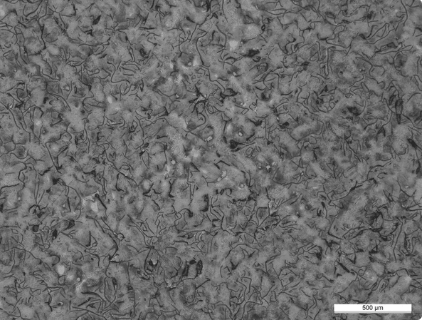
The microstructure of graphite in iron castings at 500 µm
What is the Scope of ASTM A247
Address the evaluation of graphite structures within iron castings.
Suitable for use with ductile, gray, compacted graphite, and malleable irons.
Provides a system for classifying graphite based on its distribution, size, and form.
Supports both quantitative and qualitative metallographic analysis techniques.
Intended for application in both manufacturing quality control and laboratory settings.
Sample Preparation for ASTM A247
Specimen Details
The aggregate sampling procedure ensures consistency and reliability by sampling at least four times the required quantity from specific sections of the standard, followed by thorough mixing and reduction to the desired quantity.
Specimen Preparations
The analyst slices the castings into specimens, mounted as necessary, and polished using standard metallographic procedures to produce a scratch-free surface that can be examined under the microscope.
Specimen Dimensions
To assess a casting, the analysts obtain a segment from the actual casting for authenticity and representation.
Applications of ASTM A247
Iron casting quality inspection.
Checking graphite morphology during manufacture.
Specification casting acceptance testing.
Assessment of alloying and heat treatment.
Cast iron component failure analysis.
Raw material cast iron research and development.
Foundry product certification.
What are the Common Challenges and Troubleshooting
The most frequent problems are inadequate specimen preparation due to irregular assessment of graphite, excessive etching, or ineffective polishing, which can obscure graphite features. There can be an inaccurate interpretation under poor lighting or magnification. The problems can be addressed by ensuring that the preparation steps remain consistent, the magnification is used properly, standardized ASTM A247 reference charts are used, the specimen is prepared uniformly, and trained metallographers are used, so that consistent and reliable results can be obtained.
The metallographic examination entails capturing micrographs of the specimen at a given magnification. The characteristics of graphite are assessed visually or using image analysis software. The classification of graphite types, size ratings, nodularity (in ductile iron), and distribution patterns is collected to ensure reproducible, traceable data.
What are the testing procedures and requirements?
The analyst extracts and grounds the samples and then polishes those to a mirror finish for clear observation of graphite, often following ASTM E3 protocols. Analysis involves 100X microscopic inspection against reference charts to rate graphite by nodule count, nodularity percentage, and density per square millimeter.
ASTM A247 results correlate graphite morphology with material performance. While flake graphite offers better machinability, spheroidal graphite provides superior ductility and toughness. Analyzing graphite size and distribution helps identify cooling rate effects, compositional variations, or processing issues, enabling material qualification and process optimization.
Laraib Hashmi is an aspiring research enthusiast and science content professional with a strong interdisciplinary skill set, holding a postgraduate degree in Applied Microbiology from KIIT Bhubaneshwar, Odisha. Know More
Testimonials
Real results
Engineers trust us with what matters most
“We had a great experience working with this company for our ASTM E84 testing. They were the first company to respond to our inquiry within just a few minutes of submitting it. From start to finish, the communication was excellent, and the entire process was swift, straightforward, and hassle-free.”
Ivars FancyWalls
United States
“Very good communication, testing associates were very patient with delays on our end. Reasonable turnaround time for results and nicely detailed report. Analysts were also quick to answer any follow-up questions. Happy with results.”
Skye Henderson
United States
“Matestlab connected us with an accredited lab within days, cutting weeks off our product validation timeline.”
Rebecca Kozodoy-Pins
United States
Start Your Testing Project Today
Define your requirements and get access to specialized laboratories ready to deliver results