
Materials Analysis and Testing Laboratory

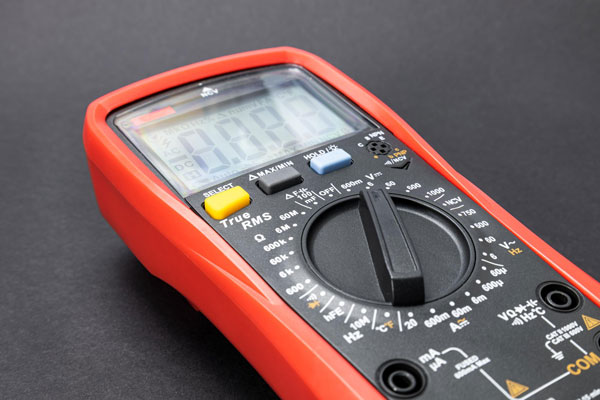
    Digital multimeter used for ASTM testing
    ASTM at a Glance

    What is ASTM?

    ASTM International develops voluntary consensus standards that provide consistent methods for testing, evaluating, classifying, and specifying materials, products, systems, and services.

    12,800+ Standards
    Access one of the world's most comprehensive collections of ASTM standards
    Recognized Worldwide
    Access one of the world's most comprehensive collections of ASTM standards
    Measure What Matters
    Access one of the world's most comprehensive collections of ASTM standards
    Every Material & Industry
    Access one of the world's most comprehensive collections of ASTM standards

    Materials testing provides characteristic values for different properties of a particular material. This information can be utilized for comparing different materials. A variety of test methods are employed to understand the behavior and characteristics of material specimens, product components, and finished products. Material testing can be destructive or non-destructive.

    Introduction to Materials Testing

    This testing is the measurement of different characteristics and behaviour of substances, such as metals, ceramics, plastics, etc. under various conditions. This field of measurement deals with determining the physical and mechanical properties of raw materials, components, and composite finished products.

    Material testing is performed across many industries to gather information about the materials being used for production of various goods and to ensure they perform within required and expected specifications.

    Materials testing is required from laboratory and R&D locations to production environments to maintain raw material/product quality and performance specifications. Material testing is a must in almost all industries ranging from plastics, polymer, paper and cardboard, leather and textiles, automotive, medicine and medical devices, building materials, and the electronics industry.

    A variety of test methods are applied for testing materials. Material testing is of two major types, destructive and non-destructive testing.

    Destructive Testing

    In destructive testing (DT), the material sample is deformed or destroyed by an external force to analyze the point of failure of the material. Pressure and fracture testing, tension tests, bend tests, Charpy impact tests, drop weight testing, crush testing, and peel testing are various types of destructive testing.

    Non-destructive Testing

    Non-destructive testing (NDT) is done by methods that do not destroy or damage the sample being tested for its quality or properties. Hardness testing, static and dynamic friction test, rebound test, components testing, and function test are some of the non-destructive testing methodologies. Non-destructive testing methods allow for the thorough and relatively quick evaluation of materials and products crucial for ensuring their safety and performance.

    At MaTestLab we help you gather insight you need on properties, strength, durability, and performance of your material samples.

    FAQ

    Where can I get materials analysis and testing laboratory testing done?
    You can share your materials analysis and testing laboratory testing requirements with MaTestLab. MaTestLab has a vast network of material testing laboratories, spread across the USA and Canada. We support your all material testing needs ranging from specific materials analysis and testing laboratory tests to various testing techniques.
    Please contact us for a detailed quote for your materials analysis and testing laboratory testing needs. Cost incurred to carry out different materials analysis and testing laboratory testing methodology depends on the type of raw material; number of samples, coupons, or specimens; test conditions, turn around time etc. Please contact us for the best and latest prices.
    The required number of samples or specimens should comply with the relevant standard's procedure. The MaTestLab operations team can assist you for your special requirements once you share your testing details with us.
    MaTestLab has a vast testing laboratory network, hence we bring you the best testing facilities in a cost-effective way. We offer considerable discounts (15-20%) to our returning customers based on test volume and frequency.
    Turnaround time depends on the specific test procedure required. However, we at MaTestLab understand your research requirements and hence try to get your testing completed within the least possible time.
    Testimonials
    Real results
    Engineers trust us with what matters most
    Start Your Testing
    Project Today
    Define your requirements and get access to
    specialized laboratories ready to deliver results
    Partners with us
    Clients
    Vendors
    Process for testing
    • STEP 01

      You share your testing requirements

    • STEP 02

      You share your sample(s)

    • STEP 03

      We deliver your test reports

    Get your testing done

    Let us known your testing requirements and we will be right back with a solution.

      Let us root for each other. Collaborate to grow, expand, and accelerate our businesses.

      Partner with us

        Contact Us