
ASTM Methods

Technical documents created and published by the American Society for Testing and Materials (ASTM International) are known as ASTM standards. These documents detail the methods for classifying and testing all kinds of materials. These widely accepted ASTM standards can be guidelines, standards, specifications, or test procedures. These widely accepted ASTM standards can be guidelines, standards, specifications, or test procedures.

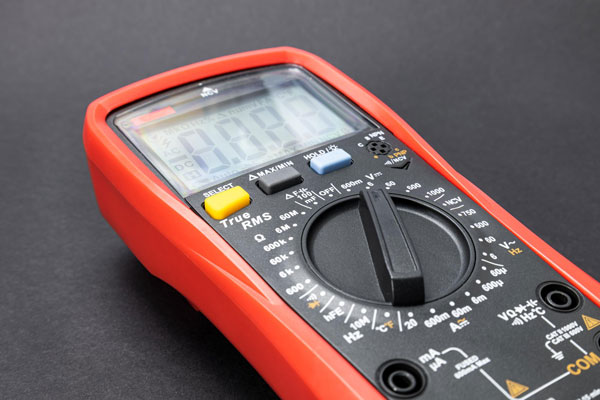
    Digital multimeter used for ASTM testing
    ASTM D638 Standard Test Method for Tensile Properties of Plastics
    ASTM D638 measures the tensile characteristics of unreinforced and reinforced plastics. The test measures the strength, hardness, and…
    ASTM Methods
    ASTM D648, 1SO 75 Heat Deflection Temperature of Plastics Under Flexural Load in the Edgewise Position
    ASTM D648 provides standard procedures for measuring the deflection temperature of plastics under flexural loading in the edgewise…
    ASTM Methods
    ASTM D792 Density and Specific Gravity (Relative Density) of Plastics by Displacement
    ASTM D792 is a density and specific gravity displacement method test for plastics. This standard assesses the consistency,…
    ASTM Methods
    ASTM D903 Peel or Stripping Strength of Adhesive Bonds
    ASTM D903 is a standard test method for determining the peel or stripping strength of adhesive bonds. The…
    ASTM Methods
    ASTM E1417/E1417M-21 e1 Liquid Penetrant Testing
    ASTM E1417 describes the liquid penetrant testing (LPT) of nonporous metal or nonmetal parts. LPT is an inspection…
    ASTM Methods
    ASTM E8/E8M Standard Test Methods for Tension Testing of Metallic Materials
    ASTM E8 determines the mechanical properties of metallic materials at room temperature. This is a technique used by…
    ASTM Methods
    ASTM F2413 Performance Requirements of Protective Toe Cap Footwear
    ASTM F2413 is a test method that determines the protective properties of footwear. It covers the minimum requirements…
    ASTM Methods
    ASTM D5338, ISO 14855 Aerobic Biodegradation of Plastic Materials Under Controlled Composting Conditions at Thermophilic Temperatures
    ASTM D5338 is a standard laboratory test method that determines the rate and extent of aerobic biodegradation of…
    ASTM Methods
    ASTM D5511 Testing: Anaerobic Biodegradation of Plastics in High-Solids Anaerobic Digestion
    ASTM D5511 establishes the anaerobic biodegradability of plastic materials under high-solids anaerobic digestion conditions. In industries, this standard…
    ASTM Methods
    ASTM E203 Water Content Analysis Using Volumetric Karl Fischer Titration
    ASTM E203 is a standard test method for determining the amount of water present in liquid petroleum products,…
    ASTM Methods
    ASTM D897 Tensile Properties of Adhesive Bonds
    ASTM D897 is the standard test method for determining the comparative tensile properties of adhesive bonds for standard-shaped,…
    ASTM Methods
    ASTM C1624 Adhesion Strength and Mechanical Failure Modes of Ceramic Coatings by Single Point Scratch Testing
    ASTM C1624 outlines procedures for testing and evaluating the abrasion resistance of concrete and masonry surfaces using a…
    ASTM Methods
    Load more

    Introduction to ASTM Standards

    American Society for Testing and Materials (ASTM) Standards are descriptive documents consisting of test methods, specifications, or other guidelines in the field of material and product testing. ASTM standards are created and established in accordance with ASTM International’s consensus principles and have been approved in accordance with ASTM procedures and regulations.

    ASTM international has 12,800+ ASTM standards operating globally. All these standards are listed in ‘Annual book of ASTM Standards’ which is available in print and online formats. Technical quality of standards and related content is revised time to time as per the changing requirements.ASTM standards contribute to research & development, product manufacturing and environmental safety by ensuring quality of raw materials and finished products.

    Types of ASTM Standards

    There are generally six types of ASTM documents, Test Method, Specification, Classification, Practice, Guide, and Terminology.

    Test Method Standards are defined procedures to test samples and generate results, for example identification, measurement, and evaluation of different qualities, characteristics, or properties of the sample under testing.

    Specification Standards are specific requirements that need to be met by a material, product, system, or service. A specification standard identifies test methods for determining if each requirement, such as physical, mechanical or chemical properties, and safety, quality or performance criteria, are fulfilled by the sample.

    Practice Method Standards are instructions for performing one or more operations, however, these do not generate a test result. Examples are cleaning, collection, inspection, preparation, application, assessment, sampling, and training.

    Classification Standards are documents comprising systematic arrangements or divisions of materials, products, systems, or services. These items are arranged in groups based on similar characteristics such as origin, composition, properties, or use.

    Guide Standards are collections of information or series of options informing users about the knowledge and approaches being taken in given subject areas. These standards do not recommend specific courses of action.

    Terminology Standards comprise definitions of terms and explanations of symbols, abbreviations, and acronyms used in other ASTM documents.

    FAQ

    Where can I get astm methods testing done?
    You can share your astm methods testing requirements with Matestlab. Matestlab has a vast network of material testing laboratories, spread across the USA and Canada. We support your all material testing needs ranging from specific astm methods tests to various testing techniques.
    Please contact us for a detailed quote for your astm methods testing needs. Cost incurred to carry out different astm methods testing methodology depends on the type of raw material; number of samples, coupons, or specimens; test conditions, turn around time etc. Please contact us for the best and latest prices.
    The required number of samples or specimens should comply with the relevant standard's procedure. The Matestlab operations team can assist you for your special requirements once you share your testing details with us.
    Matestlab has a vast testing laboratory network, hence we bring you the best testing facilities in a cost-effective way. We offer considerable discounts (15-20%) to our returning customers based on test volume and frequency.
    Turnaround time depends on the specific test procedure required. However, we at Matestlab understand your research requirements and hence try to get your testing completed within the least possible time.
    Testimonials
    Real results
    Engineers trust us with what matters most
    Start Your Testing
    Project Today
    Define your requirements and get access to
    specialized laboratories ready to deliver results
    Partners with us
    Clients
    Vendors
    Process for testing
    • STEP 01

      You share your testing requirements

    • STEP 02

      You share your sample(s)

    • STEP 03

      We deliver your test reports

    Get your testing done

    Let us know your testing requirements and we will be right back with a solution.

      Let us root for each other. Collaborate to grow, expand, and accelerate our businesses.

      Partner with us