
Glass

Glass is an amorphous solid made from natural raw materials limestone, soda ash and sand by melting at very high temperatures. At high temperatures glass is liquid in nature and it becomes solid upon cooling. Glass is hard, brittle, transparent or translucent when in solid state. Glass is used in many aspects of daily life as industrial or household objects or their parts. Glass samples are subjected to various destructive and non-destructive testing to assess their end-use suitability.

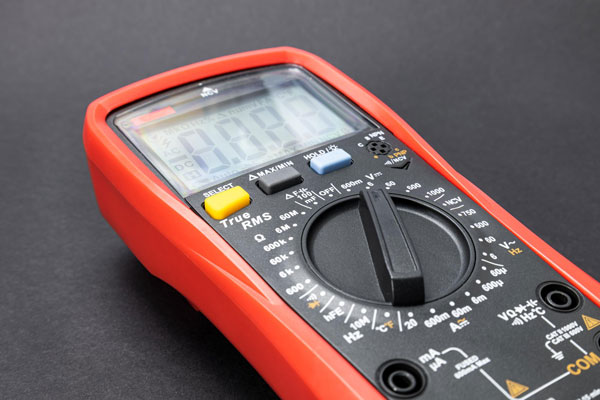
    Digital multimeter used for ASTM testing
    ASTM at a Glance

    What is ASTM?

    ASTM International develops voluntary consensus standards that provide consistent methods for testing, evaluating, classifying, and specifying materials, products, systems, and services.

    12,800+ Standards
    Access one of the world's most comprehensive collections of ASTM standards
    Recognized Worldwide
    Access one of the world's most comprehensive collections of ASTM standards
    Measure What Matters
    Access one of the world's most comprehensive collections of ASTM standards
    Every Material & Industry
    Access one of the world's most comprehensive collections of ASTM standards

    Introduction to Glass Testing

    Glass is an inorganic solid material, usually transparent or translucent in appearance and hard, brittle, and impervious to other natural elements. Items made of glass find use in a range of applications across various industrial and household purposes. Depending on the function, style, and design required, glass is often molded, blown, cut, or pressed in different shapes and sizes.

    Performance of glass as a raw material and glass products is evaluated to check their suitability in end-use conditions as per the standards defined.

    Glass Testing Methodologies

    Glass testing standards support material science labs, material processing businesses, product makers, and other users of glass and glass products in their appropriate fabrication and treatment methods to assure excellent quality and craftsmanship toward safe use. Following are the common tests done for glass and glass items-

    • Determination of Internal Pressure Strength of Glass Containers
    • Determination of thermal Shock Resistance of Glass Containers
    • Polariscopic Examination of Glass Containers
    • Determination of Sulfide Resistance of Ceramic Decorations on Glass
    • Determination of Strength of Glass by Flexure
    • Determination of Softening Point of Glass
    • Determination of Annealing Point and Strain Point of Glass by Beam Bending
    • Determination of Density of Glass by Buoyancy

    These and other test methods evaluate the performance of glass and glass products to effects of weathering, volatile fogging and other environmental exposures, including extreme temperature variations, ultraviolet radiation, and changes in humidity.

    FAQ

    Where can I get glass testing done?
    You can share your glass testing requirements with MaTestLab. MaTestLab has a vast network of material testing laboratories, spread across the USA and Canada. We support your all material testing needs ranging from specific glass tests to various testing techniques.
    Please contact us for a detailed quote for your glass testing needs. Cost incurred to carry out different glass testing methodology depends on the type of raw material; number of samples, coupons, or specimens; test conditions, turn around time etc. Please contact us for the best and latest prices.
    The required number of samples or specimens should comply with the relevant standard's procedure. The MaTestLab operations team can assist you for your special requirements once you share your testing details with us.
    MaTestLab has a vast testing laboratory network, hence we bring you the best testing facilities in a cost-effective way. We offer considerable discounts (15-20%) to our returning customers based on test volume and frequency.
    Turnaround time depends on the specific test procedure required. However, we at MaTestLab understand your research requirements and hence try to get your testing completed within the least possible time.
    Testimonials
    Real results
    Engineers trust us with what matters most
    Start Your Testing
    Project Today
    Define your requirements and get access to
    specialized laboratories ready to deliver results
    Partners with us
    Clients
    Vendors
    Process for testing
    • STEP 01

      You share your testing requirements

    • STEP 02

      You share your sample(s)

    • STEP 03

      We deliver your test reports

    Get your testing done

    Let us known your testing requirements and we will be right back with a solution.

      Let us root for each other. Collaborate to grow, expand, and accelerate our businesses.

      Partner with us

        Contact Us