Introduction to Types of Welding Tests
Welding tests are necessary to determine the quality and durability of the welds applied in construction and manufacturing industries. They ensure that welds performed do not violate safety standards on performance. There are two primary kinds of testing: destructive testing and non-destructive testing, each of which is highly significant in verifying the integrity of welds.
Instrumentation
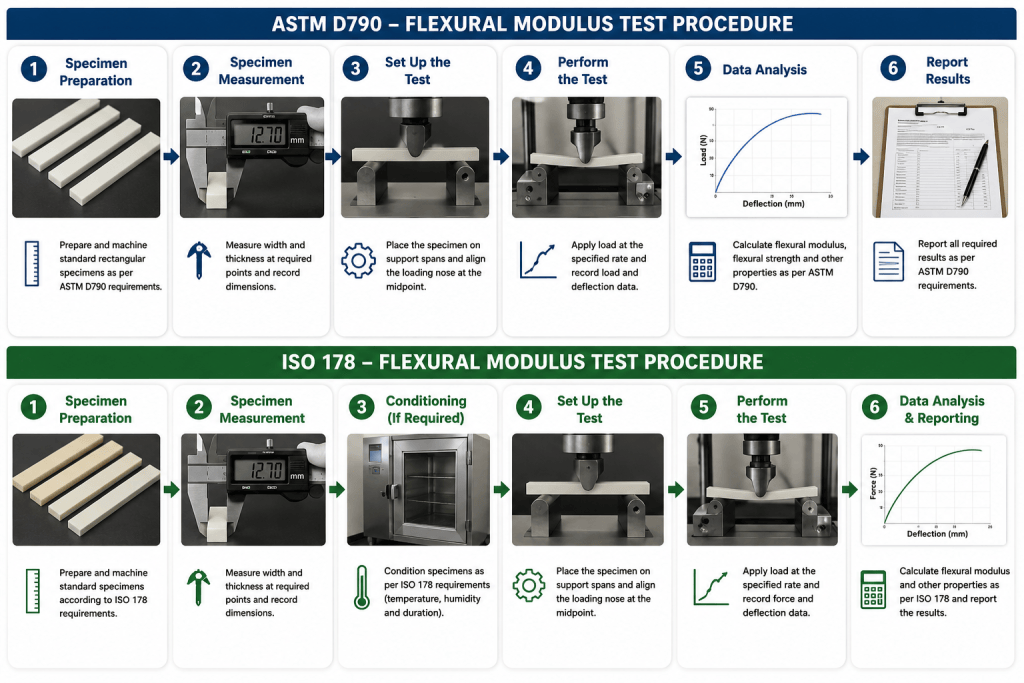
Destructive testing requires breaking or deformation of the weld to ascertain its strength. The most common methods include the tensile test, through which the tensile force a weld can endure before breaking is determined, and the bend test, by which the existence of any weaknesses in the weld is ascertained. Contrasted to this, NDT methods, such as UT and RT, enable one to perceive internal defects existing within the weld without causing any damage using sound waves and X-rays, respectively. MT and PT are widely applied to detect surface-level defects.
Strengths
Destructive tests give good data on the mechanical properties of the weld but leave the material useless. NDT permits inspection without damaging the material, making it an exceptionally valuable tool for evaluating surface and internal defects with the weld still in place.
Limitations
The destructive testing is costly and time-consuming, as it leads to damage. NDT also requires specific equipment and competent experts, which limits its accessibility for smaller operations. Many tests are also often required to spot all possible defects.
Related Techniques to Types of Welding Tests
Thermal imaging or acoustic emission testing is used to detect some defects during the actual welding process. Eddy current testing is another method used in the inspection of surface-level defects in conductive materials.