ASTM D2581 Standard Specification for Polybutylene (PB) Plastics Molding and Extrusion Materials
What Is ASTM D2581?
ASTM D2581 is a standard specification for molding and extruding polybutylene (PB) plastics. It sets standards for identifying and evaluating PB materials based on their properties and use in a process. Laboratories test samples to assess compliance with the specification’s requirements. ASTM D2581 (Standard Specification for Polybutylene (PB) Plastics Molding and Extrusion Materials) helps manufacturers regulate material quality and ensure consistency across production lots. Engineers and processors can also use the results to compare materials and choose appropriate PB grades for molding and extrusion.
Get Certified ASTM D2581 Polybutylene Plastics Testing
The ASTM D2581 test helps all manufacturers, suppliers, processors, and users to determine the quality and consistency of polybutylene molding and extrusion materials. The laboratory samples the material, prepares a representative sample, and then performs the test. The measured properties are compared with the requirements provided for the corresponding PB material classification. The data obtained qualify materials, verify incoming materials, monitor production quality, aid product development, and verify suppliers.
What is the scope of ASTM D2581?
ASTM D2581 covers polybutylene (PB) plastics used as molding and extrusion materials. The specification establishes requirements for classifying and evaluating applicable PB materials.
Supports incoming-material and production-batch quality control.
Helps manufacturers maintain consistent material properties.
Helps engineers compare different PB material grades.
Supports material selection for molding and extrusion processes.
Provides data for product development and process optimization.
Helps suppliers and users verify material quality against specified requirements.
Which Materials Can Be Tested According to ASTM D2581?
ASTM D2581 applies to polybutylene plastics intended for molding and extrusion. Laboratories should confirm the material classification, formulation, specimen requirements, and applicable testing requirements before beginning the evaluation.
Polybutylene Extrusion Materials: Evaluates PB materials intended for extrusion processing.
PB Material Grades: Compares applicable grades according to their specified classification and property requirements.
Production Lots: Evaluates representative samples from different production batches to identify material variation.
Why is ASTM D2581 Testing Important?
Polybutylene materials must maintain consistent properties to provide predictable processing and end-use performance. ASTM D2581 provides a standardized specification for evaluating applicable PB molding and extrusion materials.
The test data help manufacturers identify variation between material batches and verify that materials meet the applicable requirements. Engineers can use the results to support material selection, processing decisions, product development, and quality assurance.
ASTM D2581 Equipment and Sample Preparation Guide
Before testing, the technician should carefully select the laboratory equipment and take representative samples of PB material. If available, the laboratory should be able to name the material, grade, lot, and processing history. Technicians then condition specimens to acceptable laboratory conditions and prepare specimens to meet the requirements of the applicable test.
Technicians identify the polybutylene material, grade or classification, lot number, form, and relevant processing information before testing.
Specimen Preparation
Technicians prepare representative specimens according to the applicable ASTM test methods and maintain consistent specimen dimensions and condition.
Conditioning
Technicians condition specimens under the specified laboratory conditions before performing the applicable property tests.
Testing Equipment
Laboratories use the appropriate mechanical, thermal, dimensional, and analytical instruments required for the properties specified for the PB material.
Quality Verification
Technicians verify instrument calibration, specimen identification, and test conditions before collecting measurements.
ASTM D2581 Testing Procedures and Requirements
Technicians begin by identifying the PB material and determining the appropriate classification and tests. They condition representative specimens and condition them under controlled laboratory conditions. The analysts then perform the required property tests using calibrated equipment.
Technicians identify the PB material, grade, lot, and relevant material information before testing.
Specimen Preparation
Technicians prepare representative specimens with the required dimensions and condition.
Property Testing
Laboratories perform the applicable physical and mechanical tests using calibrated instruments and controlled conditions.
Data Recording
Technicians record measurements, specimen details, test conditions, and observations during each evaluation.
Specification Comparison
Engineers compare the measured properties with the applicable requirements to determine material compliance.
Result Reporting
The laboratory reports the measured properties, test conditions, specimen information, and applicable compliance information.
ASTM D2581 Testing Process and Data Collection
Technicians begin testing by identifying the PB material and preparing representative specimens. They check specimen size and condition before testing. The laboratory then conducts necessary tests under controlled conditions with calibrated instruments. The technicians document the material identification, specimen details, test conditions, measured values, and observations. Engineers analyze the data and compare the measured properties to the appropriate ASTM D2581 specifications. The laboratory then produces a test report that provides the information needed to evaluate material quality and whether it meets the specification.
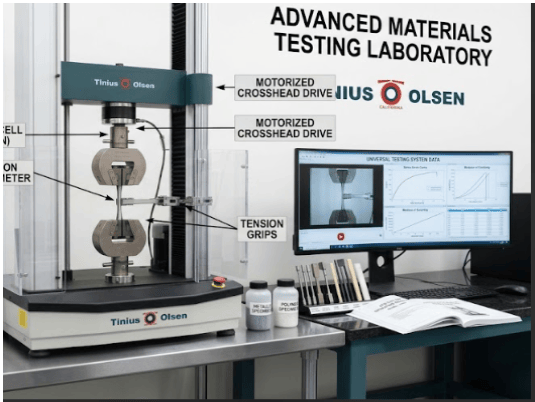
ASTM D2581 Universal Testing Machine (UTM)
Common Challenges and Troubleshooting
Variations in material formulation, specimen preparation, conditioning, processing history, and instrument performance can influence test results. Standardize laboratory conditions and specimen preparation, and use representative samples. Laboratories also must check instruments for calibration and look for samples before testing. When a significant difference is found in results among specimens or production lots, the technician should check the material identification, sample preparation, conditioning, equipment operation, and test procedure. Good records can help determine the cause of an unexpected variation.
Analysis Results and Interpretation
The laboratory should report the applicable ASTM D2581 test results together with sufficient specimen and test information to support interpretation. Depending on the material classification and applicable requirements, the report may include:
Material Identification: PB material identification, grade or classification, lot information, and specimen details.
Physical Properties: Applicable measured physical characteristics required by the material specification.
Mechanical Properties: Applicable mechanical test results obtained using the specified test procedures.
Test Conditions: Conditioning conditions, specimen dimensions, testing temperature, and other relevant parameters.
Measured Values: Numerical test results reported in the applicable units, such as °C, mm, MPa, g/10 min, or %, where applicable to the selected test.
Compliance Assessment: Comparison of measured properties with the applicable ASTM D2581 specification requirements.
Failure or Observation Details: Any unusual specimen behavior, visible defects, processing concerns, or test deviations that may affect interpretation.
Engineers can use the results to compare PB materials, evaluate production consistency, qualify incoming materials, and support molding or extrusion material selection. The results should always be interpreted together with the applicable material classification and individual test-method requirements.
Dr. Ruchika Yogesh is a serial entrepreneur, material science and AI/ML enthusiast, medicinal chemistry subject matter expert (SME), scientific/medical copyeditor, and a researcher. Know More
Testimonials
Real results
Engineers trust us with what matters most
“We had a great experience working with this company for our ASTM E84 testing. They were the first company to respond to our inquiry within just a few minutes of submitting it. From start to finish, the communication was excellent, and the entire process was swift, straightforward, and hassle-free.”
Ivars FancyWalls
United States
“Very good communication, testing associates were very patient with delays on our end. Reasonable turnaround time for results and nicely detailed report. Analysts were also quick to answer any follow-up questions. Happy with results.”
Skye Henderson
United States
“Matestlab connected us with an accredited lab within days, cutting weeks off our product validation timeline.”
Rebecca Kozodoy-Pins
United States
Start Your Testing Project Today
Define your requirements and get access to specialized laboratories ready to deliver results