
Polymers and Plastics

Polymers are long or cross-linked chains of smaller molecules called monomers. Polymers can be natural or man-made (synthetic). Plastics are synthetic or semisynthetic polymers used extensively in the modern world due to their flexibility allowing them to be molded into a variety of shapes. All polymers-based products such as packaging material, resins, paints, plastics need to be analyzed before they are used for manufacturing purposes.

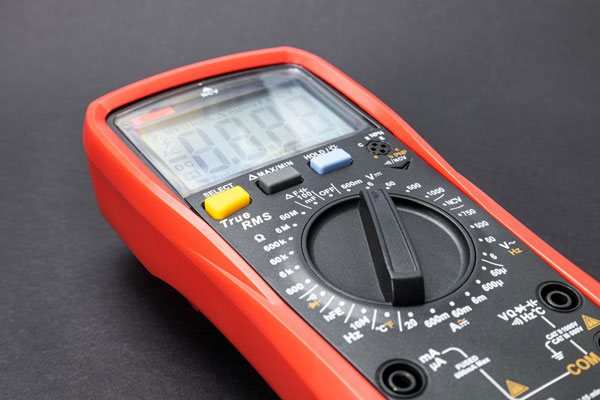
    Digital multimeter used for ASTM testing
    ASTM D3647 Standard Practice for Classifying Reinforced Plastic Pultruded Shapes According to Composition (Withdrawn 2022)
    The standards ASTM D3647 allowed the description of pultruded plastic shape reinforcement and resin content. It was used…
    ASTM Methods
    ASTM D7032 Standard Specification for Establishing Performance Ratings for Wood-Plastic Composite and Plastic Lumber Deck Boards, Stair Treads, Guards, and Handrails
    As the use of overall ornamentation and structural plastic wood spreads in residential and commercial construction, it is…
    ASTM Methods
    ASTM D2513 Standard Specification for Polyethylene (PE) Gas Pressure Pipe, Tubing, and Fittings
    ASTM D2513 Polyethylene (PE) identifies the requirements of pipes, tubing, and fittings that can be used in the…
    ASTM Methods
    ASTM D2765 Standard Test Methods for Determination of Gel Content and Swell Ratio of Crosslinked Ethylene Plastics
    The ASTM D2765 standard provides standard procedures for measuring the swell ratio and gel content of crosslinked ethyl…
    ASTM Methods
    ASTM D1925 Standard Test Method for Yellowness Index of Plastics
    The ASTM D1925 details a technique for identifying the level of yellowness or variation in yellowness in plastics,…
    ASTM Methods
    ASTM D2000 Standard Classification System for Rubber Products in Automotive Applications
    The ASTM D2000 presents a universal method for classifying vulcanized rubber, whether natural, synthetic, or blended, based on…
    ASTM Methods
    ASTM D3578 Standard Specification for Rubber Examination Gloves
    ASTM D3578 specifies the requirements for rubber examination gloves used in medical and diagnostic applications. They serve as…
    ASTM Methods
    ASTM D2103 Standard Specification for Polyethylene Film and Sheeting
    ASTM D2103 outlines the quality and grade requirements for polyethylene film and sheeting up to 0.3 mm (0.012…
    ASTM Methods
    ASTM D4703 Compression Molding of Thermoplastic Materials into Test Specimens, Plaques, or Sheets
    ASTM D4703 is a standardized practice to prepare thermoplastic materials into test specimens, plaques, or sheets through compression…
    ASTM Methods
    ASTM D3811 Standard Test Method for Unwind Force of Pressure-Sensitive Tapes
    ASTM D3811 is a standardized method for measuring the effort required to peel a roll of pressure-sensitive adhesive…
    ASTM Methods
    ASTM D4801 Standard Specification for Polyethylene Sheeting in Thickness of 0.25 mm (0.010 in.) and Greater
    ASTM D4801 establishes a standard for polyethylene sheeting with a thickness of 0.25 mm (0.010 in) or greater.…
    ASTM Methods
    ASTM D4803 Standard Test Method for Predicting Heat Buildup in PVC Building Products
    ASTM D4803 is a test method for anticipating heat buildup in unplasticized polyvinyl chloride (PVC) building materials exposed…
    ASTM Methods
    Load more

    Introduction to Polymers

    Polymers are large molecules made up of long chains or networks of smaller molecules called monomers. Polymers can be natural or man-made i.e., synthetic. Natural polymers include hair, silk, proteins, rubber, cellulose, and DNA among others. Synthetic polymers include polyethylene, polypropylene and polyester among others.

    Introduction to Plastics

    Plastics are made up of synthetic or semi-synthetic polymers. Plastics to be molded, extruded or pressed into solid objects of various shapes by applying heat and pressure. Special properties of plastics such as low density, plasticity, low electrical conductivity, transparency, and toughness allows this material to be converted into a great variety of products. Polyethylene terephthalate (PET), polyethylene (polythene), polyvinyl chloride (PVC), polystyrene, and polymethyl methacrylate are some examples of plastics used in the production of goods used in daily life. Important engineering plastics are polytetrafluoroethylene (Teflon), polyacetal, polycarbonate, polyamide (trade name nylon), polyphenylene sulfide, polyetheretherketone and epoxy.

    Difference Between Plastics and Polymers

    The major distinction between polymer and plastics is that polymers are made of connected chains of individual particles or monomers and can be produced synthetically or biologically. Plastics are synthetic or semi-synthetic materials made up of lengthy polymer chains made of small, homogeneous molecules called monomers. So, essentially all plastics are polymers (but the reverse is not true).

    Plastics and Polymers Testing

    At every stage of the production process, material identification and characterization are crucial. The physical, mechanical, and chemical characteristics of a wide range of materials and products composed of plastic and its polymeric derivatives are specified, tested, and evaluated using plastics standards. These plastic standards such as ASTM standards enable plastic producers and end users to inspect and assess the quality and acceptance of their material or product in order to ensure safe use.

    FAQ

    Where can I get polymers and plastics testing done?
    You can share your polymers and plastics testing requirements with Matestlab. Matestlab has a vast network of material testing laboratories, spread across the USA and Canada. We support your all material testing needs ranging from specific polymers and plastics tests to various testing techniques.
    Please contact us for a detailed quote for your polymers and plastics testing needs. Cost incurred to carry out different polymers and plastics testing methodology depends on the type of raw material; number of samples, coupons, or specimens; test conditions, turn around time etc. Please contact us for the best and latest prices.
    The required number of samples or specimens should comply with the relevant standard's procedure. The Matestlab operations team can assist you for your special requirements once you share your testing details with us.
    Matestlab has a vast testing laboratory network, hence we bring you the best testing facilities in a cost-effective way. We offer considerable discounts (15-20%) to our returning customers based on test volume and frequency.
    Turnaround time depends on the specific test procedure required. However, we at Matestlab understand your research requirements and hence try to get your testing completed within the least possible time.
    Testimonials
    Real results
    Engineers trust us with what matters most
    Why Choose Matestlab?
    Matestlab is a unified testing services partner based in the USA. Matestlab offers raw material and product testing services through accredited, expert laboratories primarily based in the USA. Matestlab supports physical, thermal, chemical, electrical, mechanical, environmental, and characterization testing needs through its global network of 2200+ accredited testing laboratories. Matestlab's in-house materials science experts curate and design comprehensive testing programs matched to the sample material and specific testing need, with regulatory requirements and confidentiality in mind.

    If you are looking for a managed and trusted testing partner to achieve your research goals, feel free to schedule a meeting with us or send us a request at connect@matestlabs.com to learn more about our services. For a quick quote, call us at (302)244-7710. We are happy to serve you.
    Start Your Testing
    Project Today
    Define your requirements and get access to
    specialized laboratories ready to deliver results
    Partners with us
    Clients
    Vendors
    Process for testing
    • STEP 01

      You share your testing requirements

    • STEP 02

      You share your sample(s)

    • STEP 03

      We deliver your test reports

    Get your testing done

    Let us know your testing requirements and we will be right back with a solution.

      Let us root for each other. Collaborate to grow, expand, and accelerate our businesses.

      Partner with us