ASTM G71 Standard Guide for Conducting and Evaluating Galvanic Corrosion Tests in Electrolytes
What is ASTM G71?
ASTM G71 is a standard guide for conducting and evaluating galvanic corrosion tests in electrolytes. Galvanic currents may occur when different metals are in contact, and an electrolyte provides an electrical path, which can increase the corrosion rate of the more active material. In a galvanic corrosion evaluation conducted using ASTM G71 (Standard Guide for Conducting and Evaluating Galvanic Corrosion Tests in Electrolytes), analysts select and prepare the materials, establish electrical contact between the dissimilar metals, and expose the coupled specimens to an appropriate electrolyte under controlled conditions. The analysts then observe corrosion behavior and evaluate changes in the specimens during the exposure period using measurements appropriate to the test objectives. ASTM G71 provides guidance for conducting and evaluating galvanic corrosion tests so that laboratories can characterize and compare galvanic behavior under defined exposure conditions. The findings help assess material compatibility, select appropriate material combinations, and minimize corrosion-related failures.
Get Certified ASTM G71 for Reliable Galvanic Corrosion Evaluation
ASTM G71 testing evaluates the galvanic corrosion behavior of material combinations using controlled laboratory tests. Laboratory testing can help you understand corrosion interactions and support material qualification, quality assurance, product development, and corrosion control programs. ASTM G71 evaluations can also help select materials and inform engineering decisions for systems involving dissimilar metals. The outcome helps manufacturers identify potentially incompatible material combinations before field installation or during extended service life.
What is the Scope of the ASTM G71 Guide?
ASTM G71 provides guidance for conducting and evaluating galvanic corrosion tests of two dissimilar metals or alloys in electrical contact in an electrolyte under low-flow conditions. This standard-
Assesses the effect of dissimilar conductive materials on galvanic corrosion.
Provides guidance for controlled exposure of galvanic couples to electrolytes.
Helps compare corrosion interactions between material combinations.
Supports material compatibility/corrosion assessment.
Helps with quality assurance, material selection, and product development.
What are the uses of the ASTM G71 Guide?
ASTM G71 helps laboratories characterize galvanic interactions between dissimilar metals in an electrolyte and assess their compatibility under the evaluated conditions. The test provides useful corrosion compatibility information for material selection, product development, and corrosion prevention. Engineers can use the results to identify potential galvanic corrosion problems before field operations.
Analysts can evaluate galvanic behavior in electrolytes representative of the intended service environment.
Automotive manufacturers evaluate dissimilar metals for vehicle assemblies.
Aerospace engineers are concerned about galvanic interaction in aircraft structures and components.
Chemical processing facilities evaluate materials exposed to conductive process environments.
Energy companies evaluate corrosion hazards of equipment and infrastructure.
Manufacturing organizations use testing to ensure material compatibility and quality control.
What Materials Can Be Tested Under ASTM G71?
ASTM G71 can be adapted to wrought or cast metals and alloys and can be used to characterize galvanic behavior between suitable dissimilar metal combinations in an electrolyte under the conditions of the evaluation.
Why is ASTM G71 Important for Galvanic Corrosion Evaluation?
ASTM G71 guides the assessment of galvanic corrosion behavior between dissimilar metals in electrical contact with an electrolyte. Testing can help identify potential galvanic corrosion risks, support material selection, evaluate material compatibility, and reduce the likelihood of unexpected corrosion problems.
ASTM G71 Equipment and Sample Preparation Guide
ASTM G71 provides meaningful galvanic corrosion data through proper specimen preparation and controlled test equipment.
Representative specimens include carbon steels, stainless steels, aluminum alloys, copper alloys, nickel alloys, titanium alloys, and other conductive materials that might form galvanic couples.
Specimen Preparation
Technicians carefully prepare specimens under controlled conditions, cleaning any oil, dirt, rust, or other contaminants from the surfaces before testing.
Specimen Dimensions
Analysts select specimen size and geometry according to the objectives of the evaluation, the materials being tested, the exposure arrangement, and the applicable test procedure.
Instrumentation
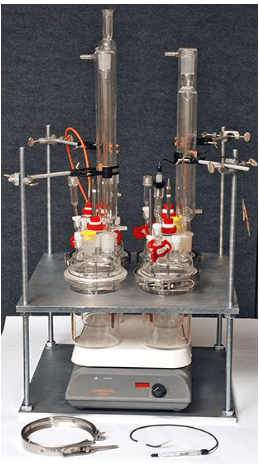
Analysts select equipment appropriate to the galvanic corrosion evaluation, which may include exposure vessels, electrical connection equipment, specimen holders, measurement instruments, and equipment to control or monitor the test environment.
Testing Requirements and Procedures for Galvanic Corrosion Evaluation
ASTM G71 provides guidance for developing and evaluating controlled galvanic corrosion tests. Laboratories can improve the consistency and usefulness of galvanic corrosion evaluations by controlling specimen preparation, electrical connections, electrolyte conditions, and exposure conditions.
Specimen Preparation
Technicians use representative metal/alloy specimens selected and prepared to meet the testing requirements. They carefully clean the specimens to remove contaminating materials which may affect corrosion behavior.
Specimen Identification
Before exposure, the testing team identifies the materials and notes their composition, dimensions, surface condition, and manufacturing data.
Test Assembly
The testing team establishes and maintains electrical contact between the dissimilar specimens using an arrangement appropriate to the evaluation.
Electrolyte Exposure
The specimens connected to the cell are exposed to the electrolyte in controlled laboratory conditions. They track relevant parameters, including electrolyte composition, temperature, exposure duration, and specimen arrangement.
Corrosion Monitoring
During the exposure period, the laboratory records appropriate observations and measurements, such as corrosion appearance, mass change, or electrical characteristics, according to the evaluation objectives.
Data Collection and Result Analysis
Engineers record specimen identification, electrolyte conditions, exposure duration, temperature, electrical connections, corrosion observations, and measured changes. Engineers compare the corrosion behavior of the coupled materials and evaluate the degree of galvanic interaction under the specified exposure conditions.
Documentation and Reporting
Laboratory reports usually include sample information, material combinations, electrolyte information, exposure conditions, exposure time, corrosion observations, measurements, photographs (if applicable), and conclusions.
ASTM G71 Testing Process and Data Collection
The first step in testing is to choose and prepare representative dissimilar metal specimens. The operator establishes electrical contact between the materials and exposes the coupled specimens to an electrolyte selected for the evaluation. The laboratory monitors corrosion behavior and relevant measurements throughout the exposure period. Technicians evaluate the specimens using measurements and observations appropriate to the test objectives and use the results to assess galvanic corrosion behavior under the evaluated conditions.
ASTM G71 Galvanic Corrosion Testing Equipment
Common Challenges and Troubleshooting
Galvanic corrosion results can be influenced by surface contamination, specimen preparation, unstable electrolyte conditions, poor electrical connections, incorrect temperature control, and inadequate exposure monitoring. Proper cleaning, secure electrical connections, controlled electrolyte conditions, calibrated instruments, and consistent test procedures improve reliability.
Analysis Results and Interpretation
ASTM G71 specifies tests for galvanic corrosion between two different metals that are electrically connected under low-flow conditions in an electrolyte. It covers specimen preparation, test environment, method of exposure, evaluation of results, and material selection and can be adapted to wrought or cast metals and alloys.
When analysts measure mass change, they report results using appropriate mass units such as milligrams (mg) or grams (g).
When the evaluation includes a calculated corrosion rate, the laboratory reports it using an appropriate corrosion-rate unit and clearly states the calculation basis and exposure conditions.
If one member of a galvanic couple is more active in corrosion, the couple’s interaction is likely greater.
Smaller changes in the selected corrosion measurements may indicate lower galvanic interaction under the evaluated conditions, but laboratories should interpret the results using the specific measurement, exposure conditions, and comparison criteria established for the evaluation.
The relative corrosion behavior of the coupled metals depends on the electrolyte, electrical connection, exposure conditions, and other factors that influence galvanic interaction.
Dr. Ruchika Yogesh is a serial entrepreneur, material science and AI/ML enthusiast, medicinal chemistry subject matter expert (SME), scientific/medical copyeditor, and a researcher. Know More
Testimonials
Real results
Engineers trust us with what matters most
“We had a great experience working with this company for our ASTM E84 testing. They were the first company to respond to our inquiry within just a few minutes of submitting it. From start to finish, the communication was excellent, and the entire process was swift, straightforward, and hassle-free.”
Ivars FancyWalls
United States
“Very good communication, testing associates were very patient with delays on our end. Reasonable turnaround time for results and nicely detailed report. Analysts were also quick to answer any follow-up questions. Happy with results.”
Skye Henderson
United States
“Matestlab connected us with an accredited lab within days, cutting weeks off our product validation timeline.”
Rebecca Kozodoy-Pins
United States
Start Your Testing Project Today
Define your requirements and get access to specialized laboratories ready to deliver results