
ASTM E415 is a standard test method that sets the procedures for quantitative chemical analysis of carbon and low-alloy steels by spark atomic emission spectrometry (Spark-AES). The technique involves examining the characteristic wavelengths of the light produced by the excited atoms when a controlled spark discharge is applied to the steel sample, thus identifying the concentration of the individual elements within the steel sample. ASTM E415 covers numerous types of carbon and low alloy steels used in various structural, automotive, manufacturing, construction, and heavy industrial applications. The method is rapid and very accurate elemental analysis for quality control, process monitoring, certification, incoming material inspection, and research and development purposes. Spark-AES provides much higher accuracy and repeatability than wet-chemical analytical methods, with much shorter analysis times.
ASTM E415 Analysis of Carbon and Low-Alloy Steel by Spark Atomic Emission Spectrometry
What is ASTM E415?
What is the Scope of ASTM E415 Test Standard?
ASTM E415 defines the specifications for determination of chemical composition of carbon and low-alloy steels by spark atomic emission spectrometry. The standard reliably and reproducibly determines the elements required for product manufacturing, quality assurance, and certification. The scope includes:
- Includes quantitative chemical analysis of carbon and low-alloy steels.
- Calculates the content of major, minor, and residual alloying elements.
- Uses spark atomic emission spectrometry for rapid elemental analysis.
- Assists with product quality, certification, and process validation.
- Establishes uniform analytical methods for steel companies and testing laboratories.
- Applies to most low-alloy steels for industrial use, as well as carbon steels.
What are the Uses of ASTM E415 Testing?
ASTM E415 testing can be used to confirm the chemical composition of carbon and low-alloy steels for steel manufacturers, foundries, laboratories, and engineers. Analytical results can be used for material certification, process control, product development, quality assurance, and compliance with engineering specifications.
- ASTM E415 testing verifies the chemical composition of carbon and low-alloy steel products.
- Steel manufacturers use the standard for quality control in steel production and to certify production batches.
- Quality assurance labs check for conformance to customer and international material specifications.
- Engineers use the analytical results to ensure materials meet design and performance specifications.
- Alloy development and manufacturing enhancements are assessed by research organizations.
- The standard applies to product certification, process control, incoming material inspection, and quality assurance in the steel industry.
What Materials Can Be Tested Under ASTM E415?
ASTM E415 is applicable to carbon steels, low alloy steels, structural steels, engineering steels, forged materials, rolled products, steel plates, steel bars, billets, pipes and tubes, castings, and other ferrous materials that are within the composition range defined in the standard.
Why is ASTM E415 Important?
ASTM E415 establishes a standard method for precise determination of the chemical composition of carbon and low alloy steels so that the manufacturer can confirm the material meets the requirements of the material specification prior to fabrication or use. Accurate elemental analysis is critical to achieve correct mechanical properties, weldability, corrosion resistance, response to heat treatment, and expected service life. By providing reliable and repeatable analytical results, the standard also helps ensure quality assurance, product certification, manufacturing consistency, regulatory compliance, R&D, and international trade.
Common challenges and troubleshooting
Proper preparation of specimens, clean analytical surfaces, correct calibration of spectrometers, certified reference materials, and proper laboratory conditions are important for accurate ASTM E415 testing. Surface contamination, oxidation, calibration problems, electrode wear, spark conditions, and drift are common problems that could have an impact on analytical accuracy. Regularly scheduled equipment maintenance, periodic calibration verification, preparation of specimens, certified reference standards, and skilled laboratory staff help to maintain the accuracy, repeatability, and reliability of chemical analysis.
Analysis Results and Interpretation
- The laboratory reports the concentration of each measured element, usually in weight percent (wt.%), allowing manufacturers and engineers to verify the chemical composition of carbon and low-alloy steel grades.
- The measured concentrations of carbon, sulfur, phosphorus, manganese, silicon, chromium, nickel, molybdenum, copper, aluminum, titanium, and other specified alloying elements are compared to the applicable material specifications to determine if the steel conforms to the required composition limits.
- Laboratory reports include specimen identification, calibration verification, analytical conditions, quality control results, elemental concentrations and instrument performance data, which gives complete documentation and traceability of the chemical analysis.
- Materials that meet the specified chemical composition requirements may be accepted for their intended applications in accordance with the applicable material specification.
- For manufacturers, the application of ASTM E415 testing can ensure production quality, process control, material certification, and regulatory compliance; it can help them eliminate the risk of material failure due to the wrong alloy composition, and obtain consistent analytical results.
ASTM E415 Equipment and Sample Preparation Guide
ASTM E415 requires representative samples of steel and suitable analytical equipment to accurately determine its chemical composition. Accurate and repeatable analytical results are achieved by proper specimen preparation, instrument calibration, and standardized laboratory procedures.
| Specimen Details | Typical applications include carbon and low-alloy steels for structures, automotive parts, machinery, pressure vessels, pipelines, construction, forgings and castings, and other engineering products. |
| Specimen Dimensions | The size and shape of the specimen vary according to the size and shape of the steel product to be analyzed. The test surface should be large enough and level enough to be accurately placed on the spark spectrometer, as required by ASTM E415. |
| Specimen Preparation | Test specimens are sliced from representative steel products and are prepared by machining or grinding to obtain a clean, flat surface with no oxide and appropriate for spark excitation. The specimen surface is cleaned of scale, rust, oil, coatings, and other contaminants that may interfere with analytical accuracy. |
| Instrumentation | Spark Atomic Emission Spectrometer (Spark-AES), Certified Reference Materials (CRMs), Surface Grinding Machine, Abrasive Grinding Wheels, Precision Cutting Equipment, Sample Preparation Tools, Surface Cleaning Equipment, Computerized Data Acquisition System, Calibration Standards, and Laboratory Quality Control Equipment. Argon gas supply, because Spark-AES normally operates with an argon atmosphere to ensure stable excitation and accurate measurements. |
Testing Procedures and Requirements for ASTM E415
ASTM E415 is a standard method for chemical composition of carbon and low alloy steels by spark atomic emission spectrometry.
| Sample Preparation | Creates a clean flat surface with no contaminants on it suitable for spark analysis. |
| Elemental Analysis | Technicians use calibration curves developed with certified reference materials to determine elemental concentrations accurately. |
| Spark Atomic Emission Spectrometry | The spark spectrometer generates an electrical spark that excites atoms in the specimen and measures the emitted light at characteristic wavelengths. |
| Elemental Analysis | Technicians determine the concentrations of carbon, sulfur, phosphorus, manganese, silicon, chromium, nickel, molybdenum, copper, aluminum, titanium, and other specified elements. |
| Quality Verification | Technicians verify analytical accuracy through calibration verification and laboratory quality control procedures. |
| Documentation and Reporting | Laboratory personnel record analytical results, calibration data, and quality control information in accordance with ASTM E415 reporting requirements. |
ASTM E415 Testing Process and Data Collection
ASTM E415 testing begins with representative steel samples and actually cleans the surface to be tested by either machining or grinding. The spark atomic emission spectrometer is calibrated with a certified reference material, and then the specimen is analyzed by controlled spark excitation. Measurements are taken of the light emitted at known wavelengths by each element, and the concentrations of the elements are determined. All the data that has been gathered in the calibration, specimen identification, analysis, quality control verification, elemental concentration, instrumental parameters, and laboratory observations are recorded throughout the analysis to ensure full traceability and compliance with ASTM E415 requirements.
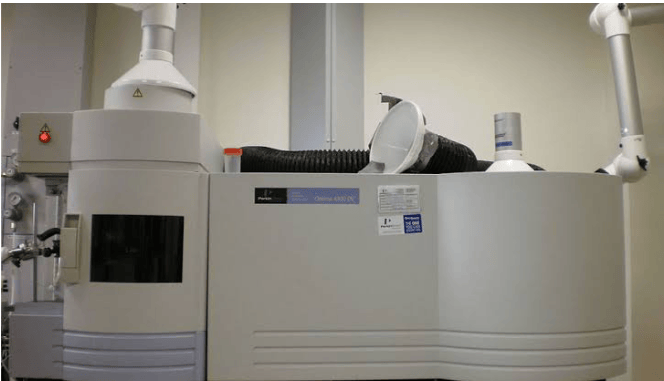
Get Certified ASTM E415 Testing for Reliable Steel Composition Analysis
ASTM E415 testing is used to determine the chemical composition of carbon and low-alloy steel products for material verification and quality control. Materials are then laboratory tested to determine the amount of alloying and residual elements before being used in the manufacture, fabrication, or commercial distribution process. Chemical composition testing helps verify that steel products meet specified composition requirements, supporting product quality, traceability, and quality assurance.
Updated on August 17, 2026


Project Today
specialized laboratories ready to deliver results