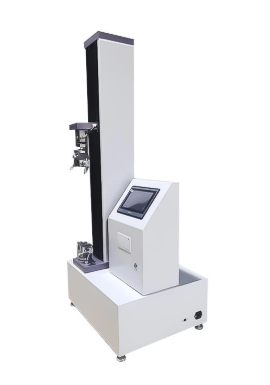
ASTM C158 is a set of standard test methods for determining the flexural strength or modulus of rupture of glass and glass-ceramics. This standard provides test methods for determining the flexural strength or modulus of rupture of glass and glass-ceramics. The test methods apply controlled flexural loading to glass or glass-ceramic specimens and determine flexural strength from the resulting fracture load and specimen geometry. Engineers use this information to calculate the modulus of rupture and evaluate the material’s flexural strength. Technicians mount the specimen on the appropriate supports and apply the specified flexural load using a calibrated testing system.
The testing system applies the specified load until the specimen fractures and records the fracture load for use in the applicable ASTM C158 (Standard Test Methods for Strength of Glass by Flexure (Determination of Modulus of Rupture)) calculation. ASTM C158 provides quantitative measurements of the flexural strength of glass and glass-ceramics under specified test conditions. These results support material comparison, assess processing conditions, guide product development, and help identify suitable glass for mechanical loading applications. ASTM C158 includes two flexural test methods: Test Method A determines the flexural strength of flat glass, while Test Method B provides a comparative flexural-strength test for glass and glass-ceramics. The applicable test method depends on the purpose of the test and the geometry of the specimens.
Get Certified ASTM C158 Testing for Reliable Glass Strength Evaluation
ASTM C158 testing provides measurements of the flexural strength or modulus of rupture of glass and glass-ceramics for material comparison, product evaluation, and other applications requiring flexural-strength data. Laboratory testing offers reliable mechanical performance information for material qualification, quality assurance, product development, and manufacturing control. ASTM C158 testing can provide flexural-strength data for comparison with customer requirements and relevant engineering specifications. Manufacturers can use the results to assess glass reliability and select materials and design products.