
By Dr Ruchika Yogesh | Last updated 5th June 2026

ASTM C109 Test Method for Compressive Strength of Hydraulic Cement Mortars

ASTM C109 contains standardized testing procedures for the compressive strength of hydraulic cement mortars in 2-inch (50 mm) cubes. This standard assesses the strength gain and quality of hydraulic cement materials in the construction industry. This test includes cube molds, mortar preparation equipment, and a compression testing machine to measure compressive strength under controlled conditions. The test report will include the following: testing conditions, specimen size, curing time, and compressive strength. ASTM C109 facilitates manufacturers to qualify the performance and reliability of cement for use in building construction.

Read More

GET STARTED

    Share your requirements *

    Provide your contact information *

    ASTM C109 Introduction

    ASTM C109, Standard Test Method for Compressive Strength of Hydraulic Cement Mortars (Using 2 in. or 50 mm Cube Specimens), measures the compressive strength of hydraulic cement mortar made using cubic specimens. This test establishes the load-bearing capacity and strength development of cement mortar mixtures. This method facilitates quality management measures, research, and performance testing of materials within the manufacturing enterprise. ASTM C109 helps in the programs for different hydraulic cement products in Portland cement, joint cement, masonry cement, concrete, and mortar.

    Get Certified ASTM C109 Testing for Reliable Cement-Strength Evaluation

    Certification guarantees that hydraulic cement products maintain compressive strength in a construction system. Test certification provides a greater level of reliability of the materials, helps with first-class control, and allows engineers to verify the overall performance of the structure

    Service NameRemarks
    ASTM C109 Testing
    Contact US

    Testing Procedures and Requirements

    First, the technician makes the mortars in the proper proportions. Then the technician fills the cube molds with fresh mortar and compacts the samples thoroughly. Dry the specimen under controlled temperature and humidity conditions. The technician then puts the cured cube specimen into a compression testing machine. Lastly, the machine compresses the specimen until it fails.

    Specimen SelectionTechnicians add Portland or air-entraining cement to water and mix to form mortar at a sand-to-cement ratio of 1:2.75. Their water content is adjusted when testing other types of cement. 
    Test Setup and ExecutionDuring testing, the compression testing machine presses down on the cube sample until it fails. Note the maximum load at failure and the determined strength. 
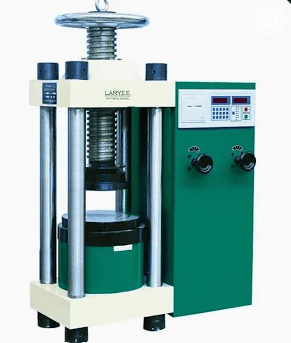
    The image shows a compression testing machine that applies compressive force until specimen failure occurs during ASTM C109 testing.
    ASTM C109 Compression Testing Machine

    Scope of ASTM C109

    • Determines the density of a hydraulic cement mortar in compression, density, and unit weight of mortar 
    • Decides on the quality of the cement and its strength development. 
    • Assists in the quality control of construction materials. 
    • These products are used with Portland and blended cements. 

    ASTM C109 Equipment and Sample Preparation

    Sample and Specimen DetailsASTM C109 uses samples of hydraulic cement mortar prepared at a 1:2.75 cement-to-sand ratio. The test employs fixed water-to-cement ratios and includes portland cement, air-entraining portland cement, etc. 
    Specimen DimensionsTechnicians cut cube-shaped test specimens measuring 2 inches (50 millimeters) on each side. They pack the mortar in two layers, cure the specimens under specific conditions, and finally test their compressive strength. 

    Use of ASTM C109

    • Tests the strength of cement mortar development 
    • Ensures construction quality assurance during the construction process 
    • Uses a wide range of information and communication technologies to gather, store, and present data and information 
    • Enhances the reliability evaluation of structures 

    Why is compressive strength important?

    Compressive strength measures the resistance of cement mortar to crushing forces. High-compression electronics enhance the structural properties, durability, and load-carrying capacity of the development material.

    Why are standard cube specimens used?

    Standard cube specimens ensure uniformity of specimen size and testing conditions. This uniformity helps achieve greater accuracy in results and enables comparison of cement materials.

    Common Challenges and Troubleshooting 

    Technicians experience issues during testing, such as improper mixing, air voids, or improper specimen alignment. These factors are important in affecting the compressive strength results. But with proper specimen preparation, instrument calibration, and controlled curing conditions, test precision and repeatability can be enhanced.

    ASTM C109 Testing Technique, Process, and Data Collection

    The technician prepares the mortar mix and packs it into the cube molds. The technician then provides the specimens with a controlled environment. The compression testing machine applies load incrementally to the specimen. The system records the peak load during specimen failure. Finally, the technician measures the load and the specimen area to determine the compressive strength.

    Analysis Results and Interpretation

    ASTM C109 reports compressive strength in megapascals (MPa) or pounds per square inch (psi). The SI units appear in brackets within the text. Cement with high compressive strength indicates appropriate general overall performance and reliability of cement size. Factors that cause low values include poor treatment, poor mixing, or, at best, poor fabric. Engineers use them to assess the goodness of the cement and ensure that it complies with production requirements.

    Factors to Consider for ASTM C109 Testing

    Speed: Efficient testing enables rapid construction quality evaluation.

    Expertise: The experienced technicians ensure accurate specimen preparation and accurate strength measurement.

    Cost: Optimized testing methods reduce lab and construction costs.

    Direct Link to ASTM C109 

    FAQ's

    Where can I get the astm c109 tested?

    You can share your astm c109 testing requirements with MaTestLab. MaTestLab has a vast network of material testing laboratories, spread across the USA and Canada. We support your all material testing needs ranging from specific astm c109 test to various testing techniques.

    How much do I need to pay for the astm c109 test?

    Please contact us for a detailed quote for your astm c109 testing needs. Cost incurred to carry out different astm c109 testing methodology depends on the type of raw material; number of samples, coupons, or specimens; test conditions, turn around time etc. Costs of some ASTM testing methods start from $100 and the final value depends upon the factors listed above. Please contact us for the best and latest prices.

    How many samples are required for astm c109?

    The required number of samples or specimens should comply with the procedure given in the astm c109 standard. However, the MaTestLab operations team can assist you for your special requirements once you share your testing details with us.

    How much discount can I get on the astm c109 test?

    MaTestLab has a vast testing laboratory network, hence we bring you the best testing facilities in a cost-effective way. We offer considerable discounts (15-20%) to our returning customers based on test volume and frequency.

    How many days will it take to complete the astm c109 test?

    The turnaround time for astm c109 test methodology depends upon the test procedure mentioned in the standard test document. However, we at MaTestLab understand your research requirements and hence try to get your test completed within the least possible time.

    Where can I get the astm c109 tested?

    You can share your astm c109 testing requirements with MaTestLab. MaTestLab has a vast network of material testing laboratories, spread across the USA and Canada. We support your all material testing needs ranging from specific astm c109 test to various testing techniques.

    POPULAR TESTS
    ONE-STOP FOR ALL
    MATERIAL TESTING NEEDS
    MaTestLab Inc. offers accessible, quick, and affordable material testing, product testing, and failure analysis services. We support your on-demand testing and expert consultation needs with the help of our extensive network of material testing laboratories situated in the US and other parts of the world.
    MATERIAL TESTING
    We offer destructive and non-destructive tests over a range of mechanical, electrical, chemical, thermal, optical, corrosion, radiation, and biological testing methodologies defined by ASTM, ISO and other organizations.
    PRODUCT TESTING
    We help you evaluate and ensure your product quality and performance with standard and custom-made testing solutions. All the tests are done at well-equipped testing laboratories using standard testing methods for best output and satisfaction.
    FAILURE ANALYSIS
    Failure analysis ensures high levels of quality in every manufacturing process. We help you with getting the best failure or root cause analysis to determine the cause of the failure. The results help you identify means to prevent failure recurrences.
    Process for testing
    • STEP 01

      You share your testing requirements

    • STEP 02

      You share your sample(s)

    • STEP 03

      We deliver your test reports

    Get your testing done

    Let us known your testing requirements and we will be right back with a solution.

      Let us root for each other. Collaborate to grow, expand, and accelerate our businesses.

      Partner with us

        close

        Please share your requirement with us

          ×

          Contact Us

          Discover more from MaTestLab

          Subscribe now to keep reading and get access to the full archive.

          Continue reading