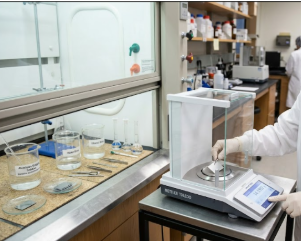
ASTM A428 is a standard test method for measuring the weight (mass) of aluminum coatings on aluminum-coated iron and steel articles used in a wide range of industrial applications. The process enables manufacturing quality assurance, specification compliance, and process validation for coating processes.
- Determines the weight (mass) of aluminum coatings on iron and steel articles.
- Verifies compliance with coating thickness and coating mass specifications.
- Supports quality control during aluminum coating production.
- Assists manufacturers in process control and quality assurance.
- Applies to aluminum-coated sheets, strips, structural components, and fabricated steel products.
What are the Uses of ASTM A428 Testing?
ASTM A428 is commonly used to determine the coating mass of aluminum-coated ferrous products for quality assurance or specification compliance. By knowing the coating weight, manufacturers can make sure that there is enough protection against corrosion, product durability, and quality of coating. Uses of ASTM A428 testing are listed below:
- Verify the aluminum coating weight of coated steel products before shipment.
- The test is employed by manufacturers to ensure the quality of the coating throughout the manufacturing process.
- The method helps manufacturers verify compliance with customer, ASTM, and industry coating specifications.
- The coating weight data is used to assess the level of corrosion protection and the expected service life of the coating.
- Quality control laboratories use ASTM A428 testing to evaluate coating quality and monitor coating process performance.
What Does ASTM A428 Measure?
The test method procedure in ASTM A428 measures the mass of aluminum coating applied to an iron or steel substrate. The coating is chemically removed from the specimen, and the specimen weight loss is calculated as coating weight per unit surface area. The results are used to determine whether the coating meets the specified coating mass requirements established by the applicable product specification.
Why is Aluminum Coating Weight Important?
The amount of aluminum coating directly influences the durability, corrosion resistance, and service life of coated steel products. Too thin a coating can lead to a shorter service life, while too thick a coating can add to the manufacturing cost. Manufacturers can use ASTM A428 to ensure an optimum coating level for reliable product performance.
What Materials Can Be Tested Under ASTM A428?
ASTM A428 covers many products coated with aluminum, including aluminum-coated carbon steel sheets, steel strips, steel plates, structural steel products, steel wire products, fabricated steel articles, automotive products, industrial equipment, HVAC products, roofing panels, and even construction materials with aluminum coatings.
Common Challenges and Troubleshooting
Coating weight errors are caused by incomplete removal of coating, excessive attack of the steel substrate, incorrect surface measurement, inadequate specimen cleaning, and/or incorrect weighing. Using new stripping solutions, calibration balances, proper specimen preparation, and careful laboratory practice will improve the accuracy and repeatability of tests.
ASTM A428 Testing Technique, Process, and Data Collection Guide
The testing process starts with measuring the dimensions and initial weight of the specimen. The specimen is then chemically stripped of the aluminum coating while minimizing attack on the underlying iron or steel substrate. The specimen is then cleaned, dried, and weighed again to determine the final mass. Coating mass per unit surface area is calculated between the initial and final weights and assessed for product specification compliance.