
Raw materials

Raw materials are the basic materials required for starting a manufacturing or production process. Raw materials can be of natural origin or man-made. For example, wood is a natural raw material for furniture industry and steel is a man-made raw material for kitchen utensils. Steel, oil, corn, grain, gasoline, lumber, forest resources, plastic, natural gas, coal, and minerals are some of the raw materials used frequently. All raw materials that are used for production processes need to be tested for their physical, chemical and microbiological properties per the usage specifications. Testing raw materials is crucially important for ensuring safety, quality and efficacy of end products.

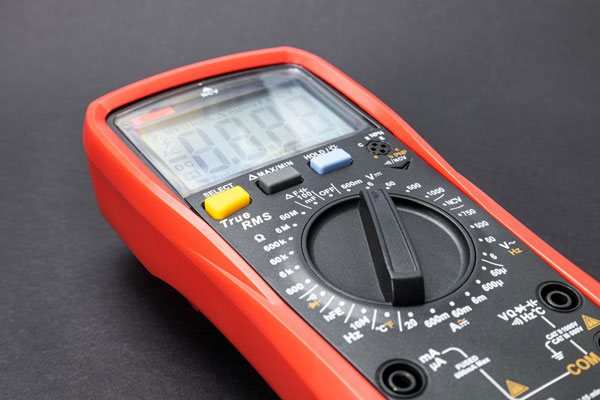
    Digital multimeter used for ASTM testing
    How Polypropylene (PP) is Made
    Polypropylene is a popular thermoplastic polymer made from propylene monomers via addition polymerization. Lightweight properties, chemical compatibility, and…
    Raw materials
    Silicone vs. Plastic
    The synthetic materials put to widespread use throughout the industry are silicone and plastics; both show superb versatility,…
    Raw materials
    UL 1685 Vertical-Tray Fire-Propagation and Smoke-Release Test for Electrical and Optical-Fiber Cables
    UL 1685 defines a vertical-tray fire test to determine the fire propagation and smoke emission properties of optical-fiber…
    Raw materials
    ASTM D198 Standard Test Methods of Static Tests of Lumber in Structural Sizes
    ASTM D198 provides specific procedures for determining the static mechanical properties of lumber in structural dimensions. It involves…
    General Methods and Instrumentation
    ASTM F710 Standard Practice for Preparing Concrete Floors to Receive Resilient Flooring
    ASTM F710 is the best standard method in relation to the preparation of concrete floors before the installation…
    General Methods and Instrumentation
    ASTM F512 Standard Specification for Smooth-Wall Poly(Vinyl Chloride) (PVC) Conduit and Fittings for Underground Installation 
    ASTM F512 is used to specify the PVC drain and fittings used in underground utility applications. This specification…
    General Methods and Instrumentation
    ASTM F1291 Standard Test Method for Measuring the Thermal Insulation of Clothing Using a Heated Manikin
    ASTM F1291 provides procedures to determine the dress of cloth and the insulation value of individual clothing. This…
    General Methods and Instrumentation
    ASTM F1732 Standard Specification for Poly(Vinyl Chloride) (PVC) Sewer and Drain Pipe Containing Recycled PVC Material
    ASTM F1732 establishes specifications for sewer and drain pipes produced with recycled PVC content. The standard ensures the…
    Polymers and Plastics
    ASTM F1875 Standard Practice for Fretting Corrosion Testing of Modular Implant Interfaces: Hip Femoral Head-Bore and Cone Taper Interface
    ASTM F1875 offers a standard practice that determines fretting corrosion of interfaces of modular implants, and specifically in…
    Chemical Analysis
    ASTM D3776 Standard Test Methods for Mass Per Unit Area (Weight) of Fabric
    ASTM D3776 provides standard procedures for finding the mass per unit area (weight) of cloth fabrics. The test…
    ASTM Methods
    ASTM D6797 Standard Test Method for Bursting Strength of Fabrics Constant-Rate-of-Extension (CRE) Ball Burst Test (Withdrawn 2024)
    ASTM D6797 measures the bursting strength of textile fabrics through the constant-rate-of-extension (CRE) ball burst test. The test…
    ASTM Methods
    ASTM D3786M Standard Test Method for Bursting Strength of Textile Fabrics, Diaphragm Bursting Strength Tester Method
    ASTM D3786M measures the bursting strength of textile fabrics by using a diaphragm bursting strength tester. The test…
    ASTM Methods
    Load more

    Raw Materials Introduction

    Raw materials are the basic materials used in a manufacturing or production process leading to finished goods or end products. Analysis and testing of raw material is essential to determine the purity, identity and quality of the raw materials before they go into the manufacturing process. Low-quality raw materials end up in low quality product that are detrimental for an end-user experience and a business’s reputation.

    Types of Raw Materials

    Raw materials can be direct or indirect raw materials. Direct raw materials are materials that companies directly use in the manufacturing of a finished product, for example cloth for stitching curtains. Indirect raw materials are not part of the end product but are used in supporting functions and processes. Raw materials are often segregated into three categories-
    1. Mined raw materials: these are extracted from the Earth, such as ores, stones, metals, minerals, lime, sand, soil, oil, and coal.
    2. Plant-based raw materials: these come from trees or plants, including fruits, nuts, flowers, vegetables, resins, wood, cotton, and latex.
    3. Animal-based raw materials: these are extracted from animals such as milk, meat, furs, leather, and wool.

    Raw Material Testing

    Each type of raw material has its own specific types of testing methodologies topped over by requirement of specific methods or techniques for specific materials. Materials testing techniques are used to ascertain mechanical, physical, and chemical properties of a material. Testing canbe of two types: destructive or non-destructive testing. All raw materials that are used for production processes need to be tested for their physical, chemical and microbiological properties per the usage specifications. Testing raw materials is crucially important for ensuring safety, quality and efficacy of end products.

    Destructive testing: The destructive test is meant to test the material strength. In this, the specimen which is under destructive test subjected to the fracture or destruction to assess the properties. The destructive test intends to study the behavior of the raw material under different loading conditions.
    Non-destructive testing (NDT): The non-destructive tests are done without altering the original form or composition of the raw material. Usually, NDT is employed for products and is intended to know the internal defects of the material or product.

    FAQ

    Where can I get raw materials testing done?
    You can share your raw materials testing requirements with Matestlab. Matestlab has a vast network of material testing laboratories, spread across the USA and Canada. We support your all material testing needs ranging from specific raw materials tests to various testing techniques.
    Please contact us for a detailed quote for your raw materials testing needs. Cost incurred to carry out different raw materials testing methodology depends on the type of raw material; number of samples, coupons, or specimens; test conditions, turn around time etc. Please contact us for the best and latest prices.
    The required number of samples or specimens should comply with the relevant standard's procedure. The Matestlab operations team can assist you for your special requirements once you share your testing details with us.
    Matestlab has a vast testing laboratory network, hence we bring you the best testing facilities in a cost-effective way. We offer considerable discounts (15-20%) to our returning customers based on test volume and frequency.
    Turnaround time depends on the specific test procedure required. However, we at Matestlab understand your research requirements and hence try to get your testing completed within the least possible time.
    Testimonials
    Real results
    Engineers trust us with what matters most
    Why Choose Matestlab?
    Matestlab is a unified testing services partner based in the USA. Matestlab offers raw material and product testing services through accredited, expert laboratories primarily based in the USA. Matestlab supports physical, thermal, chemical, electrical, mechanical, environmental, and characterization testing needs through its global network of 2200+ accredited testing laboratories. Matestlab's in-house materials science experts curate and design comprehensive testing programs matched to the sample material and specific testing need, with regulatory requirements and confidentiality in mind.

    If you are looking for a managed and trusted testing partner to achieve your research goals, feel free to schedule a meeting with us or send us a request at connect@matestlabs.com to learn more about our services. For a quick quote, call us at (302)244-7710. We are happy to serve you.
    Start Your Testing
    Project Today
    Define your requirements and get access to
    specialized laboratories ready to deliver results
    Partners with us
    Clients
    Vendors
    Process for testing
    • STEP 01

      You share your testing requirements

    • STEP 02

      You share your sample(s)

    • STEP 03

      We deliver your test reports

    Get your testing done

    Let us know your testing requirements and we will be right back with a solution.

      Let us root for each other. Collaborate to grow, expand, and accelerate our businesses.

      Partner with us