
Chemical Analysis

The process of identifying, separating and quantifying the chemical components of a sample is known as chemical analysis. Chemical analysis can be qualitative or quantitative. Qualitative analysis determines the identity of constituents present in a sample whereas quantitative analysis is the quantification of the amount or determining the concentration of a substance in a sample.

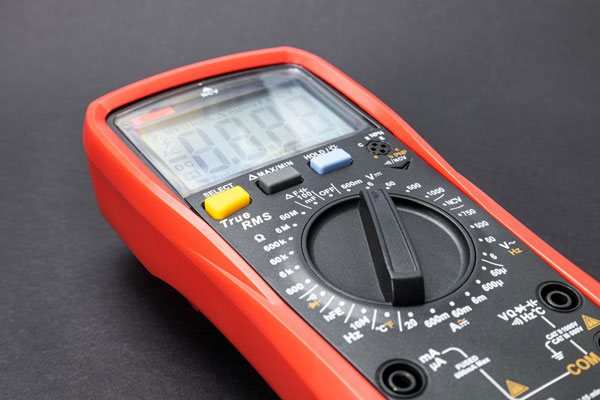
    Digital multimeter used for ASTM testing
    ASTM E246 Standard Test Methods for Determination of Iron in Iron Ores and Related Materials by Dichromate Titrimetry
    The assay procedure given here is a routine process of analysis of iron content in the ore and…
    ASTM Methods
    ASTM D6022 Standard Practice for Calculation of Permanent Shear Stability Index
    This practice presents the method for calculating lubricating oil's Permanent Shear Stability Index (PSSI) with viscosity index (VI)…
    ASTM Methods
    ASTM E2079 Standard Test Methods for Limiting Oxygen (Oxidant) Concentration in Gases and Vapors
    ASTM E2079 provides standardized testing methods to determine limiting oxygen concentration (LOC) for preventing combustion of gases and…
    ASTM Methods
    ASTM C1260 Standard Test Method for Potential Alkali Reactivity of Aggregates (Mortar-Bar Method)
    With ASTM C1260, it is fast and efficient to discover if aggregates are likely to show ASR. It…
    ASTM Methods
    ASTM C1580 Standard Test Method for Water-Soluble Sulfate in Soil
    ASTM C1580 states the correct way to determine the sodium sulfate concentration in soil. The test helps check…
    ASTM Methods
    ASTM D6209 Standard Test Method for Determination of Gaseous and Particulate Polycyclic Aromatic Hydrocarbons in Ambient Air
    ASTM D6209 standard method is a widely recognized method for measuring polycyclic aromatic hydrocarbons (PAHs) in ambient air,…
    ASTM Methods
    ASTM D456 Standard Specification for Caustic Soda (Anhydrous) (Withdrawn 2001)
    ASTM D456 provided the technical requirements of caustic soda (sodium hydroxide) in its waterless, solid form that is…
    ASTM Methods
    ASTM D457 Standard Specification for Modified Soda (Sesquicarbonate Type) (Withdrawn 2001)
    ASTM D457 also provides chemical and physical specifications of the modified soda of type sesquicarbonate, a compound that…
    ASTM Methods
    ASTM D5386 Standard Test Method for Color of Liquids Using Tristimulus Colorimetry
    ASTM D5386 gives a standard procedure to measure the color of clear or slightly turbulent fluids by the…
    ASTM Methods
    ASTM D2077 Standard Test Method for Ash in Fatty Quaternary Ammonium Chlorides
    The ASTM D2077 provides the procedure for ashing nonvolatile inorganic residues, which are left behind after the fatty…
    ASTM Methods
    ASTM D5236 Standard Test Method for Distillation of Heavy Hydrocarbon Mixtures (Vacuum Potstill Method)
    The ASTM D5236 test specifies a uniform method for vacuum distilling heavy hydrocarbon mixtures, allowing for the estimation…
    ASTM Methods
    ASTM D5564 Determination of Total Ammonia in Sulfonated or Sulfated Oils
    ASTM D5564 is a standard test method that defines the determination of total ammonia content of sulfonated or…
    ASTM Methods
    Load more

    Introduction to Chemical Analysis

    The process of determining chemical identities of the constituents of a sample is known as chemical analysis. Chemical testing and analysis are essential to understand the quality and composition of chemical substances and to follow regulatory compliance for industrial products and processes. Chemical testing and analysis services include substance composition analysis, trace contamination detection, metals testing, identification of unknown components in sample, purity detection, and regulatory testing.

    Chemical composition analysis is required across various industries such as specialty chemicals, pharmaceuticals, nanomaterials, agrochemicals, petrochemicals, dyes & detergents, pesticides & insecticides, automotive, and other consumer products.

    Qualitative Analysis

    This deals with the identification of elements and groups of elements (functional groups) in a material sample. The result is non-numerical information about all the elements and/or functional groups present in the sample. This method utilizes wet chemistry techniques i.e., using various chemical reactions and visually distinct results indicating a particular information. 

    Qualitative analysis is of two types, inorganic and organic qualitative analyses. Inorganic analysis determines the elemental and ionic composition of a sample, usually by examination of ions in aqueous solution. Organic analysis tends to look at types of molecules, functional groups, and chemical bonds e.g., iodine test for starch.

    Qualitative analysis measures changes in color, odor, bubble production, precipitation, melting point, boiling point, reactivity, and radioactivity. Distillation, extraction, precipitation, chromatography, and spectroscopy are the common methodologies used for qualitative chemical analysis. The common examples include flame test (inorganic materials), iodine test for starch, detection of metallic ions, detection of halide ions etc.

    Quantitative Analysis

    This deals with the quantitative determination of components (elements and/or functional groups) present in a material sample. The stoichiometry of chemical reactions serves as the basis for quantitative chemical analysis methods such as titration, gravimetric analysis, and combustion analysis used commonly for quantitative analysis. 

    Quantitative analysis uses various analytical techniques and instruments. The major techniques used are mass spectrometry, liquid & gas chromatography, estimation of organic compounds by Liebig/Duma’s/ Kjeldahl’s method/Carius method etc.

    Important Applications of Chemical Analysis

    1. Chemical Composition Analysis – A combination of techniques is utilized to determine chemical quality, identity, composition and impurities in a sample along with the sample’s molecular structure elucidation and chemical structure confirmation.
    2. Chemical Trace Analysis – This includes analysis, detection and identification of impurities present in very low quantities i.e., traces, in a sample. Usually metals are present in trace quantities in organic samples and are difficult to analyze by the normal methods. This also involves study of extractables and leachables to quantify potential leachable impurities originating from pharmaceutical containers, process equipment, and medical device packaging.
    3. Elemental Analysis – This is done to quantify the elemental composition of chemical samples and compounds that may be aqueous or non-aqueous organic or inorganic samples.
    4. Contamination detection – Advanced laboratory instruments are used to detect chemical contaminants in a particular sample. 
    5. Materials Testing and Chemical Analysis – This is done for all the materials like polymers, plastics, metals, alloys, ceramics etc.

    Uses of Chemical Analysis

    The qualitative and quantitative chemical analysis finds its use in different industries for ensuring raw material specification, final product quality check, and new product property analysis. This technique also comes in handy for the industry to keep a pollution check by analyzing pollutants in air, liquid, or soil samples.

    Advantages of Chemical Analysis

    • High accuracy
    • Analysis is more representative due to analyses multi-point analysis

    Limitation of Chemical Analysis

    • Destructive method of analysis causing sample loss
    • Not suitable for rapid analysis

    Industrial Application of Chemical Analysis

    • Metal industry
    • Pharmaceutical and medical industry
    • Polymer and plastic industry
    • Ceramic and paper industry

    FAQ

    Where can I get chemical analysis testing done?
    You can share your chemical analysis testing requirements with Matestlab. Matestlab has a vast network of material testing laboratories, spread across the USA and Canada. We support your all material testing needs ranging from specific chemical analysis tests to various testing techniques.
    Please contact us for a detailed quote for your chemical analysis testing needs. Cost incurred to carry out different chemical analysis testing methodology depends on the type of raw material; number of samples, coupons, or specimens; test conditions, turn around time etc. Please contact us for the best and latest prices.
    The required number of samples or specimens should comply with the relevant standard's procedure. The Matestlab operations team can assist you for your special requirements once you share your testing details with us.
    Matestlab has a vast testing laboratory network, hence we bring you the best testing facilities in a cost-effective way. We offer considerable discounts (15-20%) to our returning customers based on test volume and frequency.
    Turnaround time depends on the specific test procedure required. However, we at Matestlab understand your research requirements and hence try to get your testing completed within the least possible time.
    Testimonials
    Real results
    Engineers trust us with what matters most
    Why Choose Matestlab?
    Matestlab is a unified testing services partner based in the USA. Matestlab offers raw material and product testing services through accredited, expert laboratories primarily based in the USA. Matestlab supports physical, thermal, chemical, electrical, mechanical, environmental, and characterization testing needs through its global network of 2200+ accredited testing laboratories. Matestlab's in-house materials science experts curate and design comprehensive testing programs matched to the sample material and specific testing need, with regulatory requirements and confidentiality in mind.

    If you are looking for a managed and trusted testing partner to achieve your research goals, feel free to schedule a meeting with us or send us a request at connect@matestlabs.com to learn more about our services. For a quick quote, call us at (302)244-7710. We are happy to serve you.
    Start Your Testing
    Project Today
    Define your requirements and get access to
    specialized laboratories ready to deliver results
    Partners with us
    Clients
    Vendors
    Process for testing
    • STEP 01

      You share your testing requirements

    • STEP 02

      You share your sample(s)

    • STEP 03

      We deliver your test reports

    Get your testing done

    Let us know your testing requirements and we will be right back with a solution.

      Let us root for each other. Collaborate to grow, expand, and accelerate our businesses.

      Partner with us