
ASTM E424 is a set of standard test methods for solar energy transmittance and reflectance (terrestrial) of sheet materials. The ASTM E424 standard includes two test techniques for measuring solar energy transmittance and reflectance (terrestrial) in sheet materials. The heat transmission through fenestration, most often glass or plastics, is regulated by solar-energy transmittance and reflectance. The standard can be used for transparent, translucent, and coated reflective sheet materials (such as glass or plastics).
ASTM E424 Standard Test Methods for Solar Energy Transmittance and Reflectance (Terrestrial) of Sheet Materials
What is ASTM E424?
What is the Scope of ASTM E424?
ASTM E424 is a standard test method for measuring solar energy transmittance and reflectance in sheet materials.
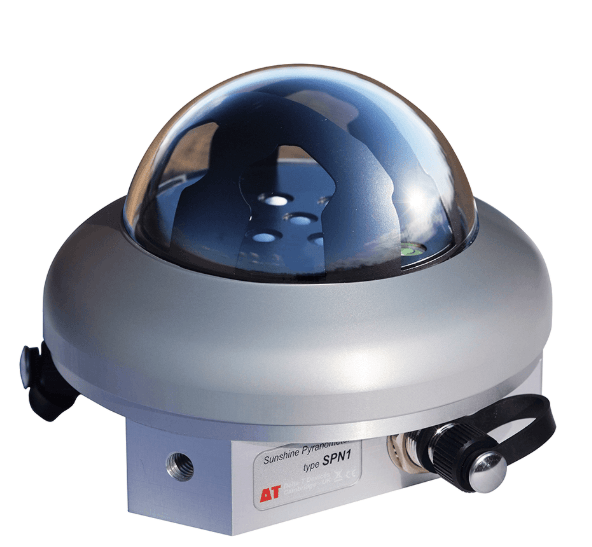
- Methods: There are two methods described in ASTM E424. Method A uses a spectrophotometer to measure both transmittance and reflectance. Method B applies only to transmittance measurements using a pyranometer in an enclosure with the sun as the energy source. Method B is particularly suitable for the measurement of transmittance of inhomogeneous, patterned, or corrugated materials since the transmittance is averaged over a large area.
- Material: The approaches have been found to work for both clear and translucent materials, as well as those with highly reflective coatings that reduce transmittance. Because the transmittance is averaged across a vast area, Method B is particularly well suited to measuring the transmittance of inhomogeneous, patterned, or corrugated materials.
ASTM E424 Sample Preparation and Equipment
As per the ASTM E424 test procedure, the geometry of the spectrophotometer limits the size of specimens for Method A, whereas Method B demands a specimen of 0.61 m2. Method A uses a spectrophotometer to measure both transmittance and reflectance. Method B applies only to transmittance measurements using a pyranometer in an enclosure with the sun as the energy source.
ASTM E424 Testing Procedure and Requirements
Two approaches are used in the ASTM E424 test procedure:
- Method A (Spectrophotometer)
Over the spectral range of 350 to 2500 nm, an integrating sphere spectrophotometer is used to measure spectral transmittance or reflectance versus a magnesium oxide standard. Normal-diffuse or diffuse-normal illumination and viewing mode are required. Integrating over a conventional solar energy distribution curve using weighted or selected ordinates for the appropriate solar-energy distribution yields the solar energy transmitted or reflected.
- Method B (Pyranometer)
Using the sun as the source and a pyranometer as the detector, the specimen is used as the cover of an enclosure, with the specimen plane perpendicular to the incident radiation; transmittance is determined as the ratio of transmitted energy to incident energy.
ASTM E424 Results Analysis and Interpretation
According to ASTM E424, both test techniques produce substantially identical results for solar energy transmittance and reflectance (terrestrial) of materials in sheet form.
Updated on September 4, 2026

Testimonials
Real results
Engineers trust us with what matters most
“We had a great experience working with this company for our ASTM E84 testing. They were the first company to respond to our inquiry within just a few minutes of submitting it. From start to finish, the communication was excellent, and the entire process was swift, straightforward, and hassle-free.”

“Very good communication, testing associates were very patient with delays on our end. Reasonable turnaround time for results and nicely detailed report. Analysts were also quick to answer any follow-up questions. Happy with results.”
“Matestlab connected us with an accredited lab within days, cutting weeks off our product validation timeline.”
Why Choose Matestlab?
Matestlab is a unified testing services partner based in the USA. Matestlab offers raw material and product testing services through accredited, expert laboratories primarily based in the USA. Matestlab supports physical, thermal, chemical, electrical, mechanical, environmental, and characterization testing needs through its global network of 2200+ accredited testing laboratories. Matestlab's in-house materials science experts curate and design comprehensive testing programs matched to the sample material and specific testing need, with regulatory requirements and confidentiality in mind.
If you are looking for a managed and trusted testing partner to achieve your research goals, feel free to schedule a meeting with us or send us a request at connect@matestlabs.com to learn more about our services. For a quick quote, call us at (302)244-7710. We are happy to serve you.
If you are looking for a managed and trusted testing partner to achieve your research goals, feel free to schedule a meeting with us or send us a request at connect@matestlabs.com to learn more about our services. For a quick quote, call us at (302)244-7710. We are happy to serve you.
Start Your Testing
Project Today
Project Today
Define your requirements and get access to
specialized laboratories ready to deliver results
specialized laboratories ready to deliver results
Start Testing
Partners with us
Clients
Vendors