ASTM D6691 Standard Test Method for Determining Aerobic Biodegradation of Plastic Materials in the Marine Environment
ASTM D6691 outlines a test procedure to determine the aerobic biodegradation of plastic materials in marine surroundings with the help of microbial inoculum. Industries use the approach to test biodegradable plastics to be disposed of in the sea. The process quantifies the carbon dioxide evolution with the help of controlled laboratory systems. Test reports also consist of biodegradation rate and degree, which is usually expressed in percentage and CO2 evolution, to aid in environmental impact assessment.
Read More
GET STARTED
ASTM D6691 Introduction
ASTM D6691 (Standard Test Method for Determining Aerobic Biodegradation of Plastic Materials in the Marine Environment) provides a controlled process to evaluate the marine aerobic biodegradation of plastics. This test assists industries in addressing the emerging issue of plastic waste in the sea. Aerobic biodegradation can be defined as the degradation of materials by the presence of microorganisms in the presence of oxygen, to give out carbon dioxide. Thus, ASTM D6691 evaluates the CO2 evolution to determine the degradation. The approach assists in the selection of material to be used in an environmentally responsible way. It is also useful for estimating the persistence of plastics in marine ecosystems, such as coastal and open-ocean environments. The users should, however, exercise caution when generalizing laboratory results to real-life environments.
Get Certified ASTM D6691 Testing for Marine Biodegradable Plastics
Big data on biodegradation enables industries to process eco-friendly plastic materials. Furthermore, certification helps in assuring that the products comply with the environmental expectations. Proper testing helps to comply with regulations and minimize environmental risks.
Service Name
Remarks
ASTM D6691 Testing
Contact US
ASTM D6691 Testing Procedure and Requirements
ASTM D6691 uses carbon dioxide to measure biodegradation through the use of microbial activity. The first step involves placing plastic samples in a known inoculum of microbial consortium or natural seawater provided. Next, technicians sustain moderate aerobic conditions during the test. Lastly, they quantify the CO2 evolution rate and the degree of degradation.
Characterization of the Material
ASTM D6691 involves selecting and characterizing plastic materials based on their carbon content and molecular weight.
Exposure to the inoculum
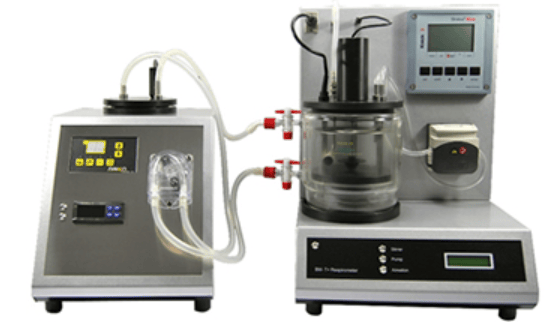
Marine microorganisms are introduced to the test material. A respirometer tracks the release of carbon dioxide (CO2) gas over time as the material breaks down.
Measurement of Biodegradability
The amount of polymer carbon converted into biogas carbon, which determines biodegradability
Theoretical Carbon Content Measurement
As time passes, the test provides the percentage of gas produced compared to the carbon content of the material.
Respirometer System
Scope of ASTM D6691 Test Standard
Identifies the rate and level of plastics aerobic biodegradation.
Inoculates with marine microorganisms or natural seawater.
Applies to polymers that contain carbon at least 20%.
Eliminates harmful materials to marine organisms.
Equipment and Sample Preparation
Biodegradation Reactor
Maintains controlled aerobic marine conditions for microbial activity.
Specimen Details
ASTM D6691 involves selecting and characterizing plastic materials for testing, as well as preparing a uniform inoculum of marine microorganisms or obtaining a natural seawater sample.
Specimen Size
The ASTM D6691 test sample should be weighed to the nearest 0.1 mg and contain enough carbon (at least 20%) to allow the respirometer to detect carbon dioxide levels.
Use of ASTM D6691
Assesses marine biodegradable plastics.
Promotes the creation of environmentally-friendly materials.
Helps with compliance regulations and the environment.
Helps estimate the survival of plastics in the marine environment.
How Does ASTM D6691 Measure Biodegradation in Marine Conditions?
ASTM D6691 is a test that determines the degradation of biodegradation by carbon dioxide evolution. The microorganisms decompose plastic substances in aerobic conditions. As a result, the amount of CO2 that is emitted in the process of metabolism indicates the degradation level. Increased CO2 formation is a pointer to increased biodegradation.
Why Is Microbial Inoculum Important in ASTM D6691?
Microbial inoculum supplies active organisms that degrade materials biologically. A specified consortium guarantees regulated and replicable circumstances for the process. In other cases, natural seawater is a reflection of the real environmental variety. Thus, the choice of inoculum influences the accuracy of tests and their relevance directly.
Common Challenges and Troubleshooting
Testing can have variation because of the differences in microbial activity. Further, certain plastics can suppress the growth of microbes, which can interfere with the findings. CO2 measurements may also be changed due to inconsistent environmental conditions. Also, short-term tests can not be referenced to the long-term behavior of the marine environment. To resolve these problems, the laboratories should be kept in stable conditions, choose the right inoculum, and be careful with the interpretation of the results. Controlled testing provides strong testing of biodegradation.
Testing Technique Process, and Data Collection
The initial stages of testing include sample preparation and selection of inoculum. Then, the technicians insert samples into the controlled marine environment, where oxygen is provided. The material gets broken down by microorganisms and emits carbon dioxide. Then, they are continuously measured by instruments, which measure the evolution of CO2 . Lastly, the data obtained are used to determine the biodegradation rate and level.
ASTM D6691 Analysis Results and Interpretation
ASTM D6691 presents the results in SI units as a standard. Biodegradation is given as a percentage (%) with respect to the theoretical carbon conversion. The amount of carbon dioxide evolved is measured to determine the amount of degradation taking place. An increase in the percentage values results in increased biodegradability. These results help engineers to compare materials and determine environmental suitability.
Factors to Consider ASTM D6691 Testing
Speed: Effective testing schedules assist manufacturers in testing materials efficiently and under controlled biodegradation conditions.
Expert: Professionally trained staff guarantee that they work with proper inoculum handling and the measurement of CO₂ to have reliable results.
Cost: Economical testing is a part of sustainable product development without jeopardizing the environment.
You can share your astm d6691 testing requirements with MaTestLab. MaTestLab has a vast network of material testing laboratories, spread across the USA and Canada. We support your all material testing needs ranging from specific astm d6691 test to various testing techniques.
How much do I need to pay for the astm d6691 test?
Please contact us for a detailed quote for your astm d6691 testing needs. Cost incurred to carry out different astm d6691 testing methodology depends on the type of raw material; number of samples, coupons, or specimens; test conditions, turn around time etc. Costs of some ASTM testing methods start from $100 and the final value depends upon the factors listed above. Please contact us for the best and latest prices.
How many samples are required for astm d6691?
The required number of samples or specimens should comply with the procedure given in the astm d6691 standard. However, the MaTestLab operations team can assist you for your special requirements once you share your testing details with us.
How much discount can I get on the astm d6691 test?
MaTestLab has a vast testing laboratory network, hence we bring you the best testing facilities in a cost-effective way. We offer considerable discounts (15-20%) to our returning customers based on test volume and frequency.
How many days will it take to complete the astm d6691 test?
The turnaround time for astm d6691 test methodology depends upon the test procedure mentioned in the standard test document. However, we at MaTestLab understand your research requirements and hence try to get your test completed within the least possible time.
Where can I get the astm d6691 tested?
You can share your astm d6691 testing requirements with MaTestLab. MaTestLab has a vast network of material testing laboratories, spread across the USA and Canada. We support your all material testing needs ranging from specific astm d6691 test to various testing techniques.
MaTestLab Inc. offers accessible, quick, and affordable material testing, product testing, and failure analysis services. We support your on-demand testing and expert consultation needs with the help of our extensive network of material testing laboratories situated in the US and other parts of the world.
MATERIAL TESTING
We offer destructive and non-destructive tests over a range of mechanical, electrical, chemical, thermal, optical, corrosion, radiation, and biological testing methodologies defined by ASTM, ISO and other organizations.
PRODUCT TESTING
We help you evaluate and ensure your product quality and performance with standard and custom-made testing solutions. All the tests are done at well-equipped testing laboratories using standard testing methods for best output and satisfaction.
FAILURE ANALYSIS
Failure analysis ensures high levels of quality in every manufacturing process. We help you with getting the best failure or root cause analysis to determine the cause of the failure. The results help you identify means to prevent failure recurrences.