MaTestLab > Test Standards > ASTM D3574 Flexible Cellular Materials-Slab, Bonded, and Molded Urethane Foams
Last updated 5th October 2024
ASTM D3574 Flexible Cellular Materials-Slab, Bonded, and Molded Urethane Foams
ASTM D3574 is a set of standard test methods used to evaluate the physical properties of flexible cellular materials used for cushioning, packaging, and insulation. The tests include measurements for density, compression force deflection, tear strength, and other properties to ensure that the materials meet industry standards and customer specifications.
Read More
GET STARTED
ASTM D3574 Introduction
ASTM D3574 is a collection of test methods developed by the American Society for Testing and Materials (ASTM) to evaluate the physical properties of flexible cellular materials used for cushioning, packaging, and insulation. These materials include foams made from polyurethane, polyethylene, and other polymers, as well as natural rubber and cork. The purpose of these test methods is to ensure that the materials meet the required specifications and can perform their intended functions.
ASTM D3574 is a standard test method generally applied to determine the properties of flexible cellular materials such as slab, bonded, and molded urethane foams. The test method covers a range of properties, including density, compressive strength, tear strength, resilience, and fatigue.
Service Name
Remarks
ASTM D3574 Test Method
Expert Consultation
ASTM D3574 Test Method
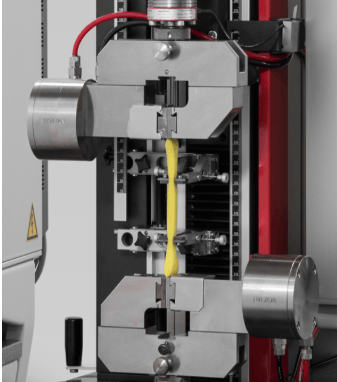
The test method ASTM D3574 consists of a series of tests that measure the physical properties of the flexible cellular materials. These tests include the determination of density, compression deflection, tear resistance, tensile strength, elongation, and resilience. The tests are conducted on samples that have been conditioned at a specific temperature and humidity level for a specific period of time.
Density
This test method determines the mass per unit volume of a foam specimen.
Compression Force Deflection (CFD)
This test method measures the force required to compress a foam specimen to a specified percentage of its original thickness.
Tensile Strength and Elongation
These test methods measure the force required to break a foam specimen and the percentage of elongation at break.
Tear Strength
This test method measures the force required to tear a foam specimen.
Resilience
This test method measures the ability of a foam specimen to recover its original shape after compression.
Indentation Force Deflection (IFD)
This test method measures the force required to indent a foam specimen to a specified depth.
Compression Set
This test method measures the permanent deformation of a foam specimen after compression.
Dynamic Fatigue
This test method measures the ability of a foam specimen to withstand repeated compressions and recover its original shape.
ASTM D3574 Equipment and Sample Preparation
ASTM D3574 Foam Compression Test
Specimen details
ASTM D3574 requires materials such as slab, bonded, and molded urethane foams.
Specimen dimensions
The acceptable specimen thickness for ASTM D3574 depends on the specimen being used.
Specimen preparation
To perform the test, samples are cut from the foam material in a specific shape and size, and are conditioned at a specific temperature and humidity level for a specific period of time.
ASTM D3574 Results and Interpretation
The results of ASTM D3574 tests are used to determine whether a foam material meets the required specifications for its intended use. These test results can also be used to compare different materials and to identify potential areas for improvement in material design and manufacturing processes.
Tests related to ASTM D3574
Other related tests include ASTM D1621, which measures the compressive properties of rigid cellular plastics, and ASTM D3575, which measures the properties of flexible cellular materials made from olefin polymers. These tests provide additional information about the properties of foam materials and can be used in conjunction with ASTM D3574 to evaluate the quality of the material.
Use of ASTM D3574 in Various Industries
It has widely been applied by automotive, furniture, and bedding industries to test the properties of flexible polyurethane foams in terms of quality criteria like durability, firmness, and resilience.
Materials Commonly Tested with ASTM D3574
It tests flexible polyurethane foams used very broadly in cushioning applications; however, viscoelastic and latex foams are included for performance characteristics under compression resistance, density, and rebound properties.
Common Challenges and Troubleshooting in ASTM D3574 Testing
The issue of testing is consistent sample preparation and environmental conditions, which influence the tests. Troubleshooting may range from recalibration of equipment to uniform dimensions of samples and keeping a close eye on the environmental conditions that could give variation, thus compromising the accuracy of tests.
Safety and Best Practices in ASTM D3574 Testing
Testing safety and use of equipment requires adequate PPE, a safe environment, as well as handling equipment. Most best practices, therefore, border on the routine calibration of test instruments, obedience to test protocols, and keeping a controlled environment for assurance of precise results and minimized risks.
Importance of ASTM D3574
It is important to ensure foam quality and performance for industries, as well as safety and durability standards. In addition, it ensures consumer confidence and regulatory compliance. Its importance further relates to consistency and reliability since a standardized method provides test results on the properties of the foam.
Related
FAQ's
Where can I get the astm d3574 tested?
You can share your astm d3574 testing requirements with MaTestLab. MaTestLab has a vast network of material testing laboratories, spread across the USA and Canada. We support your all material testing needs ranging from specific astm d3574 test to various testing techniques.
How much do I need to pay for the astm d3574 test?
Please contact us for a detailed quote for your astm d3574 testing needs. Cost incurred to carry out different astm d3574 testing methodology depends on the type of raw material; number of samples, coupons, or specimens; test conditions, turn around time etc. Costs of some ASTM testing methods start from $100 and the final value depends upon the factors listed above. Please contact us for the best and latest prices.
How many samples are required for astm d3574?
The required number of samples or specimens should comply with the procedure given in the astm d3574 standard. However, the MaTestLab operations team can assist you for your special requirements once you share your testing details with us.
How much discount can I get on the astm d3574 test?
MaTestLab has a vast testing laboratory network, hence we bring you the best testing facilities in a cost-effective way. We offer considerable discounts (15-20%) to our returning customers based on test volume and frequency.
How many days will it take to complete the astm d3574 test?
The turnaround time for astm d3574 test methodology depends upon the test procedure mentioned in the standard test document. However, we at MaTestLab understand your research requirements and hence try to get your test completed within the least possible time.
Where can I get the astm d3574 tested?
You can share your astm d3574 testing requirements with MaTestLab. MaTestLab has a vast network of material testing laboratories, spread across the USA and Canada. We support your all material testing needs ranging from specific astm d3574 test to various testing techniques.
MaTestLab Inc. offers accessible, quick, and affordable material testing, product testing, and failure analysis services. We support your on-demand testing and expert consultation needs with the help of our extensive network of material testing laboratories situated in the US and other parts of the world.
MATERIAL TESTING
We offer destructive and non-destructive tests over a range of mechanical, electrical, chemical, thermal, optical, corrosion, radiation, and biological testing methodologies defined by ASTM, ISO and other organizations.
PRODUCT TESTING
We help you evaluate and ensure your product quality and performance with standard and custom-made testing solutions. All the tests are done at well-equipped testing laboratories using standard testing methods for best output and satisfaction.
FAILURE ANALYSIS
Failure analysis ensures high levels of quality in every manufacturing process. We help you with getting the best failure or root cause analysis to determine the cause of the failure. The results help you identify means to prevent failure recurrences.