
ASTM C770 Standard Test Method for Measurement of Glass Stress-Optical Coefficient

    What is ASTM C770?

    ASTM C770 is a standard test method for determining the optical stress coefficient of transparent glass. During photoelastic analysis, the optical coefficient is used as a calibration factor to convert the optical retardation measurements to actual stress measurements. In a test, a known mechanical load is applied to a glass specimen, and the optical retardation is measured using a polarized light system. The testing system includes measuring the optical retardation and applying mechanical stress, and calculating the optical stress coefficient from the resulting figures. ASTM C770 (Standard Test Method for Measurement of Glass Stress-Optical Coefficient) provides repeatable, objective measurements for improving the accuracy of stress analysis of glass products, versus simple visual inspection. The results are used to verify the accuracy of the photoelastic measurement system, assess the accuracy of the stress analysis, and for quality control of manufacturing processes.

    Read more

    Get Certified ASTM C770 Testing for Reliable Glass Stress Evaluation

    ASTM C770 is a standardized laboratory test method for determining the optical stress coefficient of glass. Laboratory testing provides calibration data for photoelastic stress measurements and helps manufacturers evaluate product quality. Manufacturers use ASTM C770 testing for product qualification, quality control, research and development, manufacturing process evaluation, and instrument calibration. These results are useful for producing glass products with reliable, consistent optical properties and stress characterization.
    What is the Scope of ASTM C770 Test Standard?

    The ASTM C770 provides a standard procedure for computing the optical stress coefficient for transparent glass for photoelastic stress analysis. The test standard-

    Read more

    • Determines the optical stress coefficient of transparent glass.
    • Measures the optical retardation under controlled loading conditions.
    • Assists in photoelastic analysis of stresses and in instrument calibration.
    • Works with transparent glass materials.
    • Supports quality control, product qualification, and manufacturing consistency.

    What are the Uses of ASTM C770 Testing?

    ASTM C770 aids manufacturers in calculating the optical stress coefficient needed for proper photoelastic stress analysis of glass products. The test gives reliable calibration data for product development, quality assurance, and material evaluation. The results also help engineers measure stress more accurately and confirm manufacturing consistency. This test method is used by-

    • Glass manufacturers set the calibration values for stress analysis.
    • Architectural glass manufacturers use the optical stress coefficient to improve the accuracy of stress measurements.
    • Automotive manufacturers test for stress properties in safety glass.
    • The photoelastic measurement system is calibrated in optical laboratories.
    • Mechanical properties of glass materials are studied in research laboratories.
    • Quality control laboratories evaluate glass products using calibrated photoelastic stress measurements.

    What Materials Can Be Tested Under ASTM C770?

    ASTM C770 is applicable to float glass, tempered glass, heat-strengthened glass, laminated glass, optical glass, borosilicate glass, specialty glass products, and other transparent glass for which an optical stress coefficient is required.

    ASTM C770 Equipment and Sample Preparation Guide

    To get accurate and repeatable optical stress coefficient measurements, it is necessary to follow the right specimen preparation method and use the right calibrated laboratory equipment.

    Read more

    Specimen DetailsRepresentative specimens are float glass, architectural glass, tempered glass, heat-strengthened glass, laminated glass, optical glass, and other transparent glass that can be used for photoelastic evaluation.
    Specimen PreparationTechnicians clean and prepare the specimen surface, then inspect it for scratches, chips, edge defects, and contamination that could affect the optical measurements.
    Specimen DimensionsTechnicians cut or machine the specimens according to ASTM C770 dimensional requirements to ensure proper alignment in the loading fixture.
    InstrumentationThe laboratory commonly uses the following equipment: a polarized light polariscope, photoelastic stress measurement system, precision loading fixture, universal testing machine or loading frame, optical compensator, micrometer, digital data acquisition system, calibration standards, and dimensional measuring instruments.

    Testing Procedures and Requirements for Optical Stress Coefficient Evaluation

    Technicians determine the optical stress coefficient of glass according to ASTM C770. Testing conditions are controlled to ensure repeatable, comparable, and accurate results.

    Read more

    Specimen PreparationThe technician prepares representative glass samples to the necessary size. They clean, check, and visually confirm every specimen for surface contamination, edge damage, scratches, and chips prior to testing.
    Instrument CalibrationThe testing team calibrates the loading system, polarized light equipment, optical measurement instruments, and dimensional measuring devices before the test in accordance with the manufacturer’s requirements.
    Load ApplicationThe operator applies a known mechanical load to the glass specimen and maintains stable loading conditions throughout the evaluation.
    Optical MeasurementThe polarized light system measures the optical retardation produced by the applied mechanical stress. The instrument continuously measures the optical response during the test.
    Data CollectionThe following information is recorded by engineers: specimen identification, dimensions of the specimen, the load applied, the optical retardation values, the environmental parameters, and the testing parameters.
    Result AnalysisSpecialists calculate the optical stress coefficient from the measured optical retardation and the applied mechanical stress according to ASTM C770.
    Documentation and ReportingLaboratory reports contain the following information: specimen identification, glass type, specimen dimensions, applied load, optical retardation values, calculated optical stress coefficient, equipment information, and environmental conditions.

    ASTM C770 Testing Process and Data Collection

    Technicians begin testing by preparing representative glass specimens and calibrating the optical measurement system. A controlled mechanical load is applied by the operator, and the optical retardation is measured by means of polarized light equipment. Laboratory personnel record the applied load, optical response, and specimen dimensions before calculating the optical stress coefficient according to ASTM C770 requirements.

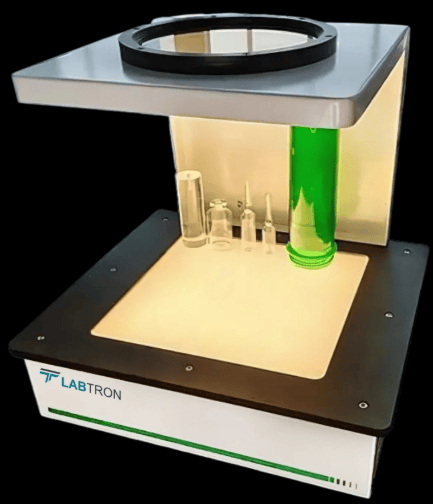
    The image shows a laboratory polarized light stress measurement system with a loading fixture used to determine the optical stress coefficient of glass according to ASTM C770.
    ASTM C770 Optical Stress Coefficient Measurement Equipment

    Why is ASTM C770 Important for Glass Stress Analysis?

    ASTM C770 provides a standardized procedure for determining the optical stress coefficient used in photoelastic stress analysis. Standardized testing helps manufacturers improve stress measurements, optimize production processes, evaluate product quality, and reduce stress-related manufacturing defects.

    Read more

    Common Challenges and Troubleshooting

    Potential errors include surface defects, specimen contamination, improper loading, equipment calibration problems, optical alignment problems, and unstable environmental factors. Proper specimen preparation, routine equipment calibration, controlled laboratory conditions, and standardized procedures produce reliable and repeatable results.

    Analysis Results and Interpretation

    • Laboratories report the optical stress coefficient using the units specified in ASTM C770.
    • Controlled loading is used to record optical retardation values.
    • The calculated value of the coefficient is used as a calibration coefficient for the photoelastic stress measurements.
    • Laboratories calculate the optical stress coefficient from the measured optical retardation, specimen thickness, and applied stress.
    • Consistent optical stress coefficient values indicate stable testing conditions and reliable instrument calibration.
    • Engineers use the reported optical stress coefficient to calculate stresses during photoelastic analysis.

    Link to ASTM C770

    Updated on August 13, 2026

    Gokula Srinivasan Selvam
    About Author
    Gokula Srinivasan Selvam is a Material Testing Associate at Matestlab Inc. and holds a postgraduate degree in Ceramic Engineering from IIT (BHU), Varanasi. His academic background and professional experience are centered on advanced ceramic materials, their processing, characterization, and performance evaluation.
    Know More
    Testimonials
    Real results
    Engineers trust us with what matters most
    Start Your Testing
    Project Today
    Define your requirements and get access to
    specialized laboratories ready to deliver results
    Partners with us
    Clients
    Vendors
    Process for testing
    • STEP 01

      You share your testing requirements

    • STEP 02

      You share your sample(s)

    • STEP 03

      We deliver your test reports

    Get your testing done

    Let us know your testing requirements and we will be right back with a solution.

      Let us root for each other. Collaborate to grow, expand, and accelerate our businesses.

      Partner with us

        Discover more from Matestlab

        Subscribe now to keep reading and get access to the full archive.

        Continue reading