
Materials Analysis and Testing Laboratory

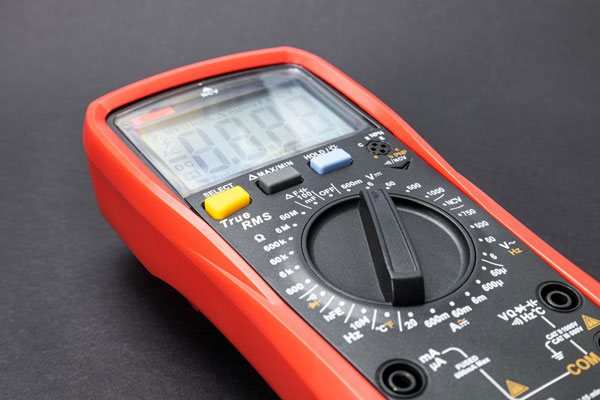
    Digital multimeter used for ASTM testing
    Top 20 Coating Testing Methods
    Coating testing techniques are crucial in comparing the overall performance, sturdiness, and reliability of coatings used across industries,…
    Materials Analysis and Testing Laboratory
    Top 20 LCD Display Testing Methods
    LCD (liquid crystal display) panels are widely used in consumer electronics, automotive displays, industrial systems, and clinical devices.…
    Materials Analysis and Testing Laboratory
    Top 20 Polymer Testing Methods
    Polymers are integral to modern production, used in a whole lot of applications from packaging and textiles to…
    Materials Analysis and Testing Laboratory
    Top 20 Solar Panel Testing Methods
    Solar panels should deliver regular-strength performance and undergo environmental stress over lengthy operational lifetimes. To ensure this, a…
    Materials Analysis and Testing Laboratory
    Waterproofness Testing
    Waterproofness testing evaluates a fabric or product’s capability to face up to water penetration in numerous environmental situations,…
    Materials Analysis and Testing Laboratory
    Chemical Compatibility and Resistance to Cannabis Oils
    As the cannabis market moves forward, the issue of the chemical compatibility of materials with cannabis oils has…
    Materials Analysis and Testing Laboratory
    Corrosion Testing
    Corrosion testing serves as a critical method for evaluating how well a material can withstand degradation when exposed…
    Materials Analysis and Testing Laboratory
    Measurement of Smoke Density of Cables Burning Under Defined Conditions
    The great visibility and safety effect of smoke production during the combustion of cables. Practically, this discussion focuses…
    Materials Analysis and Testing Laboratory
    Bacterial Testing
    Bacterial testing of golf gloves and grip analysis is essential in assuring product hygiene, material, and long life.…
    Chemicals

    Materials testing provides characteristic values for different properties of a particular material. This information can be utilized for comparing different materials. A variety of test methods are employed to understand the behavior and characteristics of material specimens, product components, and finished products. Material testing can be destructive or non-destructive.

    Introduction to Materials Testing

    This testing is the measurement of different characteristics and behaviour of substances, such as metals, ceramics, plastics, etc. under various conditions. This field of measurement deals with determining the physical and mechanical properties of raw materials, components, and composite finished products.

    Material testing is performed across many industries to gather information about the materials being used for production of various goods and to ensure they perform within required and expected specifications.

    Materials testing is required from laboratory and R&D locations to production environments to maintain raw material/product quality and performance specifications. Material testing is a must in almost all industries ranging from plastics, polymer, paper and cardboard, leather and textiles, automotive, medicine and medical devices, building materials, and the electronics industry.

    A variety of test methods are applied for testing materials. Material testing is of two major types, destructive and non-destructive testing.

    Destructive Testing

    In destructive testing (DT), the material sample is deformed or destroyed by an external force to analyze the point of failure of the material. Pressure and fracture testing, tension tests, bend tests, Charpy impact tests, drop weight testing, crush testing, and peel testing are various types of destructive testing.

    Non-destructive Testing

    Non-destructive testing (NDT) is done by methods that do not destroy or damage the sample being tested for its quality or properties. Hardness testing, static and dynamic friction test, rebound test, components testing, and function test are some of the non-destructive testing methodologies. Non-destructive testing methods allow for the thorough and relatively quick evaluation of materials and products, crucial for ensuring their safety and performance.

    At Matestlab we help you gather insight you need on properties, strength, durability, and performance of your material samples.

    FAQ

    Where can I get materials analysis and testing laboratory testing done?
    You can share your materials analysis and testing laboratory testing requirements with Matestlab. Matestlab has a vast network of material testing laboratories, spread across the USA and Canada. We support your all material testing needs ranging from specific materials analysis and testing laboratory tests to various testing techniques.
    Please contact us for a detailed quote for your materials analysis and testing laboratory testing needs. Cost incurred to carry out different materials analysis and testing laboratory testing methodology depends on the type of raw material; number of samples, coupons, or specimens; test conditions, turn around time etc. Please contact us for the best and latest prices.
    The required number of samples or specimens should comply with the relevant standard's procedure. The Matestlab operations team can assist you for your special requirements once you share your testing details with us.
    Matestlab has a vast testing laboratory network, hence we bring you the best testing facilities in a cost-effective way. We offer considerable discounts (15-20%) to our returning customers based on test volume and frequency.
    Turnaround time depends on the specific test procedure required. However, we at Matestlab understand your research requirements and hence try to get your testing completed within the least possible time.
    Testimonials
    Real results
    Engineers trust us with what matters most
    Why Choose Matestlab?
    Matestlab is a unified testing services partner based in the USA. Matestlab offers raw material and product testing services through accredited, expert laboratories primarily based in the USA. Matestlab supports physical, thermal, chemical, electrical, mechanical, environmental, and characterization testing needs through its global network of 2200+ accredited testing laboratories. Matestlab's in-house materials science experts curate and design comprehensive testing programs matched to the sample material and specific testing need, with regulatory requirements and confidentiality in mind.

    If you are looking for a managed and trusted testing partner to achieve your research goals, feel free to schedule a meeting with us or send us a request at connect@matestlabs.com to learn more about our services. For a quick quote, call us at (302)244-7710. We are happy to serve you.
    Start Your Testing
    Project Today
    Define your requirements and get access to
    specialized laboratories ready to deliver results
    Partners with us
    Clients
    Vendors
    Process for testing
    • STEP 01

      You share your testing requirements

    • STEP 02

      You share your sample(s)

    • STEP 03

      We deliver your test reports

    Get your testing done

    Let us know your testing requirements and we will be right back with a solution.

      Let us root for each other. Collaborate to grow, expand, and accelerate our businesses.

      Partner with us