
Emission Test

    Introduction 

    A vehicle inspection, also commonly known as a smog check or an emission test, is an essential diagnostic process intended to determine the amount of certain pollutants produced by the exhaust system of a vehicle. The main aim here is to measure the emissions of the harmful gases like carbon monoxide, hydrocarbons, and nitrogen oxides, which must be within the stipulated legal limits set by environmental protection bodies. Through the automated surveillance of the emission profile of a vehicle, such a test serves as an initial defence against excessive emissions, which leads to a direct impact on better air quality and human health. 

    Read more

    Purpose and Objectives

    The main one is to curb the issue of air pollution through environmental rules. Some of the objectives are to ensure that vehicles are registered or renewed with correct emission standards, to identify defective emission control systems such as catalytic converters or oxygen sensors, to promote proper management of clean vehicles, and to use the data in managing the air quality and policy formulation. In the case of industries, testing is used to make sure that the pollution control machines are working well.

    Types of Emission Tests

    Testing of vehicles is a combination of periodic Inspection and Maintenance (I/M) programmes at licensed centres, which involves tests like idle tests (measuring at idle and high RPM) and transient dynamometer tests simulating actual driving cycles, Acceleration Simulation Mode (ASM) load tests and On-Board Diagnostics (OBD-II) scan tests of the computer on a vehicle to detect fault codes associated with emissions. In the case of diesel cars, the smoke opacity tests are used to measure particulate emissions. Testing of industries includes chimney gas stack testing, equipment leaks, fugitive emission testing, and Continuous Emission Monitoring Systems (CEMS), which include real-time data.

    Testing Process for Vehicles

    A standard test would be a physical examination of the parts of the emission control system, then an OBD-II system scan to verify fault codes and monitor preparation. In older vehicles, a probe is placed inside the tailpipe to measure gases during idle/high-idle or dynamometer cycles. The real-time concentrations are measured by analyzers, the result is compared with the standards, according to the vehicle’s class and the model year, and a pass/fail certificate is issued.
    Equipment and Technology

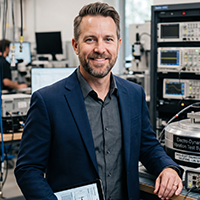
    These are considered critical equipment, because of which CO/CO₂, HC, and NOx are analysed with a Non-Dispersive Infrared (NDIR), Flame Ionisation Detection (FID), and chemiluminescence, respectively. Dynamometers are used to simulate road load, opacity meters are used to measure the density of diesel smoke, and OBD-II scan tools are used to access car computers. Constant Volume Samplers (CVS) used in laboratory-grade are accurate certification test instruments.

    Read more

    Applications Beyond Vehicles

    Testing of emissions also applies to power generation plants to test SO₂, NOx, and mercury; production plants of boilers and incinerators; aircraft engines in aircraft certification; ship engines in the International Maritime Organization (IMO) legislation; and environmental cleanup stations in testing vapour recovery systems.

    Challenges and Criticisms

    Among the main issues, one can distinguish discrepancies between the laboratory testing cycles and the real-world driving emissions, which are the focus of scandals such as Dieselgate. The other problems include the expense and inconvenience to the owners of vehicles, the risk of fraud in testing, and the fact that older vehicles may not be tested at all, which means that they are disproportionate polluters.

    Increased use of OBD-based testing to achieve efficiency, the extension of the remote sensing technology to detect high-polluting vehicles on the road, the creation of non-exhaust standards to monitor the performance of the electric vehicles, the continued reduction of the worldwide emissions limit, and more frequent use of telematics to monitor compliance on the road.

    FAQ

    Where can I get the emission test tested?
    You can share your emission test testing requirements with MaTestLab. MaTestLab has a vast network of material testing laboratories, spread across the USA and Canada. We support your all material testing needs ranging from specific emission test test to various testing techniques.
    Please contact us for a detailed quote for your emission test testing needs. Cost incurred to carry out different emission test testing methodology depends on the type of raw material; number of samples, coupons, or specimens; test conditions, turn around time etc. Costs of some ASTM testing methods start from $100 and the final value depends upon the factors listed above. Please contact us for the best and latest prices.
    The required number of samples or specimens should comply with the procedure given in the emission test standard. However, the MaTestLab operations team can assist you for your special requirements once you share your testing details with us.
    MaTestLab has a vast testing laboratory network, hence we bring you the best testing facilities in a cost-effective way. We offer considerable discounts (15-20%) to our returning customers based on test volume and frequency.
    The turnaround time for emission test test methodology depends upon the test procedure mentioned in the standard test document. However, we at MaTestLab understand your research requirements and hence try to get your test completed within the least possible time.
    Davis Scott
    About Author
    Davis Scott
    Davis Scott is an Electrical and Electronics Engineer specializing in multidisciplinary validation, quality assurance, and comprehensive electro-mechanical testing.
    Testimonials
    Real results
    Engineers trust us with what matters most
    Start Your Testing
    Project Today
    Define your requirements and get access to
    specialized laboratories ready to deliver results
    Partners with us
    Clients
    Vendors
    Process for testing
    • STEP 01

      You share your testing requirements

    • STEP 02

      You share your sample(s)

    • STEP 03

      We deliver your test reports

    Get your testing done

    Let us known your testing requirements and we will be right back with a solution.

      Let us root for each other. Collaborate to grow, expand, and accelerate our businesses.

      Partner with us

        Contact Us

        Discover more from MaTestLab

        Subscribe now to keep reading and get access to the full archive.

        Continue reading