
Polymers and Plastics

Polymers are long or cross-linked chains of smaller molecules called monomers. Polymers can be natural or man-made (synthetic). Plastics are synthetic or semisynthetic polymers used extensively in the modern world due to their flexibility allowing them to be molded into a variety of shapes. All polymers-based products such as packaging material, resins, paints, plastics need to be analyzed before they are used for manufacturing purposes.

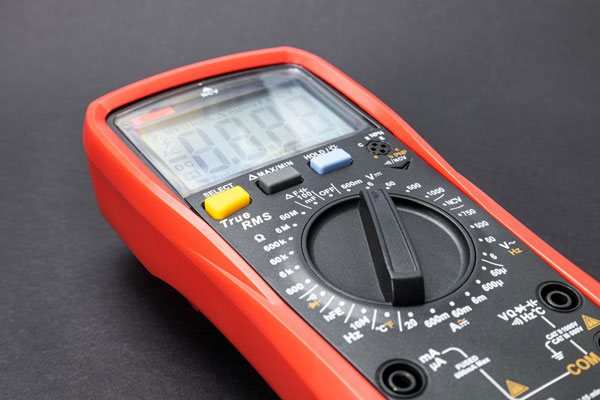
    Digital multimeter used for ASTM testing
    ASTM D5045 Standard Test Methods for Plane-Strain Fracture Toughness and Strain Energy Release Rate of Plastic Materials
    The ASTM D5045 plastic material aircraft-tin fracture provides standardized processes to determine the fracture cruelty (KIC) and Strain…
    ASTM Methods
    ASTM D5206 Standard Test Method for Windload Resistance of Rigid Plastic Siding
    The ASTM D5206 provides a laboratory procedure for determining the wind load resistance of rigid plastic siding products…
    ASTM Methods
    ASTM D5229 Standard Test Method for Moisture Absorption Properties and Equilibrium Conditioning of Polymer Matrix Composite Materials
    ASTM D5229 provides standard test methods for determining the moisture uptake properties and equilibrium state of polymer matrix…
    ASTM Methods
    ASTM D5406 Standard Practice for Rubber, Calculation of Producer & apos, Process Performance Indexes
    ASTM D5406 is a statistical standard that provides benchmarks for calculating process performance indexes (PPIs) in the rubber…
    ASTM Methods
    ASTM D5420 Standard Test Method for Impact Resistance of Flat, Rigid Plastic Specimen using a Striker Impacted by a Falling Weight (Gardner Impact)
    ASTM D5420 measures the impact resistance of rigid plastic and flat samples with a falling weight (Gardner impact)…
    ASTM Methods
    ASTM D5450 Standard Test Method for Transverse Tensile Properties of Hoop Wound Polymer Matrix Composite Cylinders
    ASTM D5450 outlines the procedure for determining the transverse tensile properties of hoop-wound polymer matrix composite cylinders. It…
    ASTM Methods
    ASTM D5748 Standard Test Method for Puncture Resistance of Stretch Wrap Film
    Excerpt ASTM D5748 specifies a standard dynamic impact test measure of protrusion puncture resistance on stretch wrap films.…
    ASTM Methods
    ASTM D5813 Standard Specification for Cured-In-Place Thermosetting Resin Sewer Piping Systems
    Excerpt ASTM D5813 is the standard specification of cured-in-place pipe (CIPP) systems where thermosetting resins are used to…
    ASTM Methods
    ASTM D5961 Standard Test Method for Bearing Response of Polymer Matrix Composite Laminates
    Excerpt ASTM D5961 provides a standard method for testing the bearing response of laminates composed of polymer-based materials…
    ASTM Methods
    ASTM D6988 Standard Guide for Determination of Thickness of Plastic Film Test Specimens
    ASTM D6988 offers a standard procedure to measure the thickness of the specimen, which is plastic film, and…
    ASTM Methods
    ASTM D8019 Full Section Flexural Modulus and Bending Strength of Fiber Reinforced Polymer Crossarms Assembled with Center Mount Brackets
    ASTM D8019 provides uniform methods for calculating the full-section flexural modulus and bending strength of fiber-reinforced polymer (FRP)…
    ASTM Methods
    ASTM E1136 Standard Specification for P195/75R14 Radial Standard Reference Test Tire
    ASTM E1136 sets the requirements for the P195/75R14 radial standard reference test tire; this tire is used as…
    ASTM Methods
    Load more

    Introduction to Polymers

    Polymers are large molecules made up of long chains or networks of smaller molecules called monomers. Polymers can be natural or man-made i.e., synthetic. Natural polymers include hair, silk, proteins, rubber, cellulose, and DNA among others. Synthetic polymers include polyethylene, polypropylene and polyester among others.

    Introduction to Plastics

    Plastics are made up of synthetic or semi-synthetic polymers. Plastics to be molded, extruded or pressed into solid objects of various shapes by applying heat and pressure. Special properties of plastics such as low density, plasticity, low electrical conductivity, transparency, and toughness allows this material to be converted into a great variety of products. Polyethylene terephthalate (PET), polyethylene (polythene), polyvinyl chloride (PVC), polystyrene, and polymethyl methacrylate are some examples of plastics used in the production of goods used in daily life. Important engineering plastics are polytetrafluoroethylene (Teflon), polyacetal, polycarbonate, polyamide (trade name nylon), polyphenylene sulfide, polyetheretherketone and epoxy.

    Difference Between Plastics and Polymers

    The major distinction between polymer and plastics is that polymers are made of connected chains of individual particles or monomers and can be produced synthetically or biologically. Plastics are synthetic or semi-synthetic materials made up of lengthy polymer chains made of small, homogeneous molecules called monomers. So, essentially all plastics are polymers (but the reverse is not true).

    Plastics and Polymers Testing

    At every stage of the production process, material identification and characterization are crucial. The physical, mechanical, and chemical characteristics of a wide range of materials and products composed of plastic and its polymeric derivatives are specified, tested, and evaluated using plastics standards. These plastic standards such as ASTM standards enable plastic producers and end users to inspect and assess the quality and acceptance of their material or product in order to ensure safe use.

    FAQ

    Where can I get polymers and plastics testing done?
    You can share your polymers and plastics testing requirements with Matestlab. Matestlab has a vast network of material testing laboratories, spread across the USA and Canada. We support your all material testing needs ranging from specific polymers and plastics tests to various testing techniques.
    Please contact us for a detailed quote for your polymers and plastics testing needs. Cost incurred to carry out different polymers and plastics testing methodology depends on the type of raw material; number of samples, coupons, or specimens; test conditions, turn around time etc. Please contact us for the best and latest prices.
    The required number of samples or specimens should comply with the relevant standard's procedure. The Matestlab operations team can assist you for your special requirements once you share your testing details with us.
    Matestlab has a vast testing laboratory network, hence we bring you the best testing facilities in a cost-effective way. We offer considerable discounts (15-20%) to our returning customers based on test volume and frequency.
    Turnaround time depends on the specific test procedure required. However, we at Matestlab understand your research requirements and hence try to get your testing completed within the least possible time.
    Testimonials
    Real results
    Engineers trust us with what matters most
    Why Choose Matestlab?
    Matestlab is a unified testing services partner based in the USA. Matestlab offers raw material and product testing services through accredited, expert laboratories primarily based in the USA. Matestlab supports physical, thermal, chemical, electrical, mechanical, environmental, and characterization testing needs through its global network of 2200+ accredited testing laboratories. Matestlab's in-house materials science experts curate and design comprehensive testing programs matched to the sample material and specific testing need, with regulatory requirements and confidentiality in mind.

    If you are looking for a managed and trusted testing partner to achieve your research goals, feel free to schedule a meeting with us or send us a request at connect@matestlabs.com to learn more about our services. For a quick quote, call us at (302)244-7710. We are happy to serve you.
    Start Your Testing
    Project Today
    Define your requirements and get access to
    specialized laboratories ready to deliver results
    Partners with us
    Clients
    Vendors
    Process for testing
    • STEP 01

      You share your testing requirements

    • STEP 02

      You share your sample(s)

    • STEP 03

      We deliver your test reports

    Get your testing done

    Let us know your testing requirements and we will be right back with a solution.

      Let us root for each other. Collaborate to grow, expand, and accelerate our businesses.

      Partner with us